

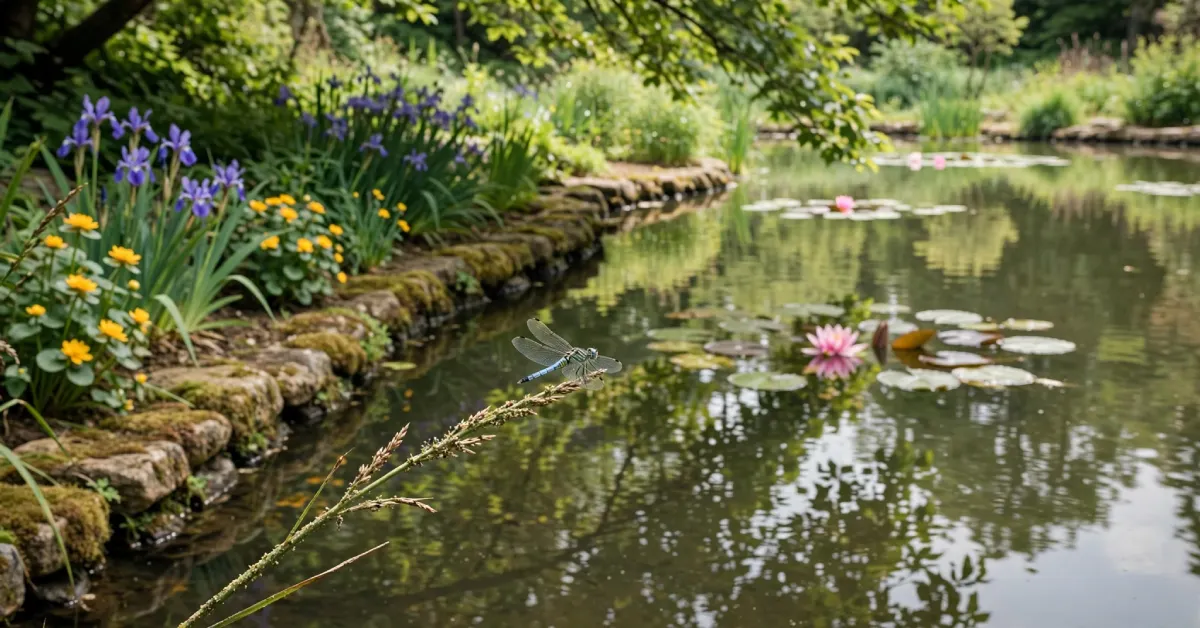
Water changes a garden. Even a small pond brings movement, sound, and life to a space that would otherwise stay still. Frogs show up within a season, and dragonflies hover on warm afternoons.
This guide covers what counts as a pond, the main types, how the water stays balanced, and how to keep it healthy.
What Is a Pond?
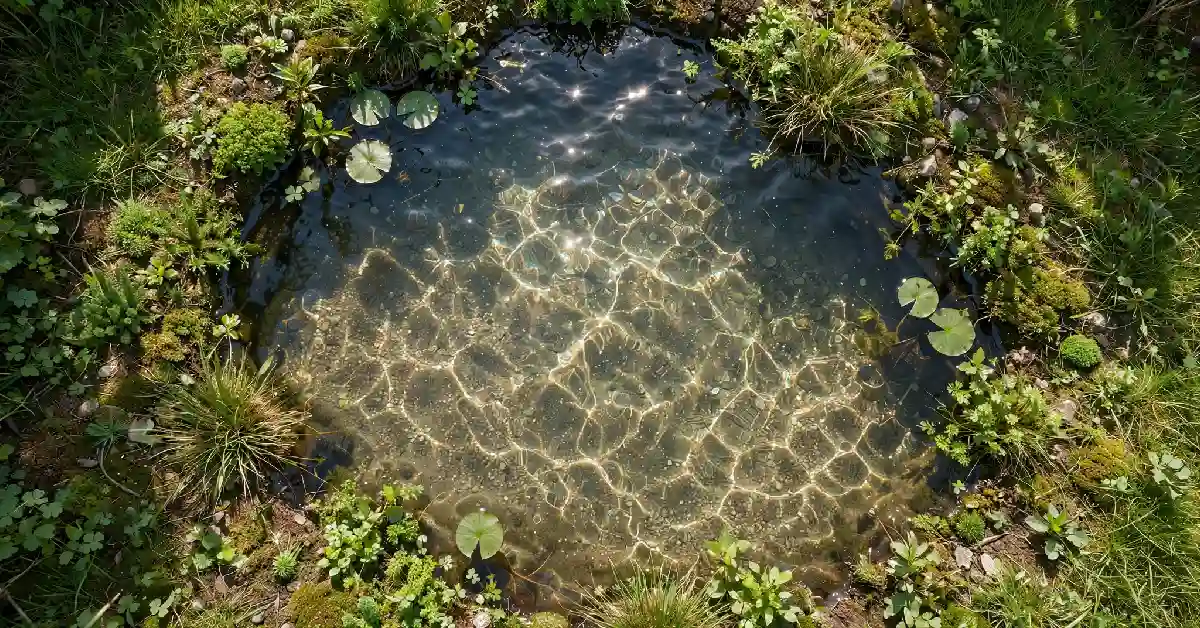
A pond is standing water shallow enough for sunlight to reach the bottom, letting plants grow from edge to edge. That’s what separates it from a lake, which is deeper, with plant life limited to the shallows. Ponds can be natural or artificial, and function as full aquatic ecosystems: plants provide oxygen, insects and amphibians feed on algae, and bacteria break down waste.
Types of Ponds
Garden Ponds
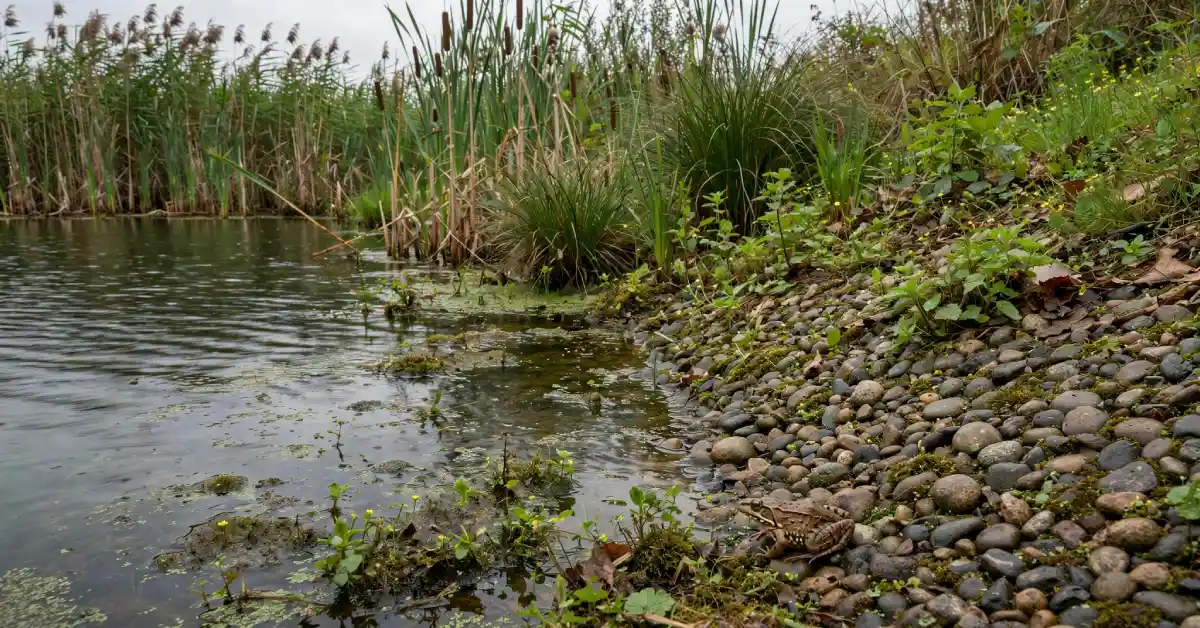
Built mainly to look good, with a shaped liner, marginal plants, and often ornamental fish.
Wildlife Ponds
Designed for animals first, with sloped edges and dense cover, and no fish, since fish eat spawn and larvae.
Fish and Koi Ponds
 Natural Swimming Ponds
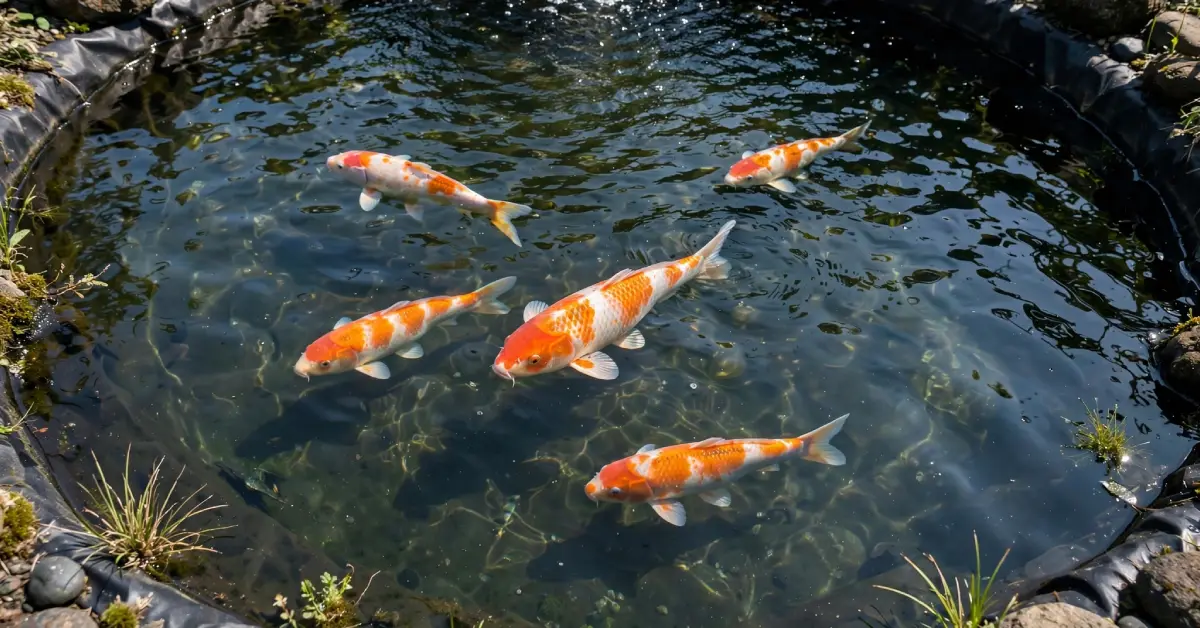
Built around fish needs: extra depth, stronger filtration, and less planting, since koi dig up plants. Ammonia builds up fast without good filtration.
Natural Ponds
These form without construction and develop their own balance over time, making them more resilient than new ponds.
Ornamental Ponds
Landscaping features for visual effect, often formal with geometric shapes; naturalistic versions use irregular shapes.
Natural Swimming Ponds
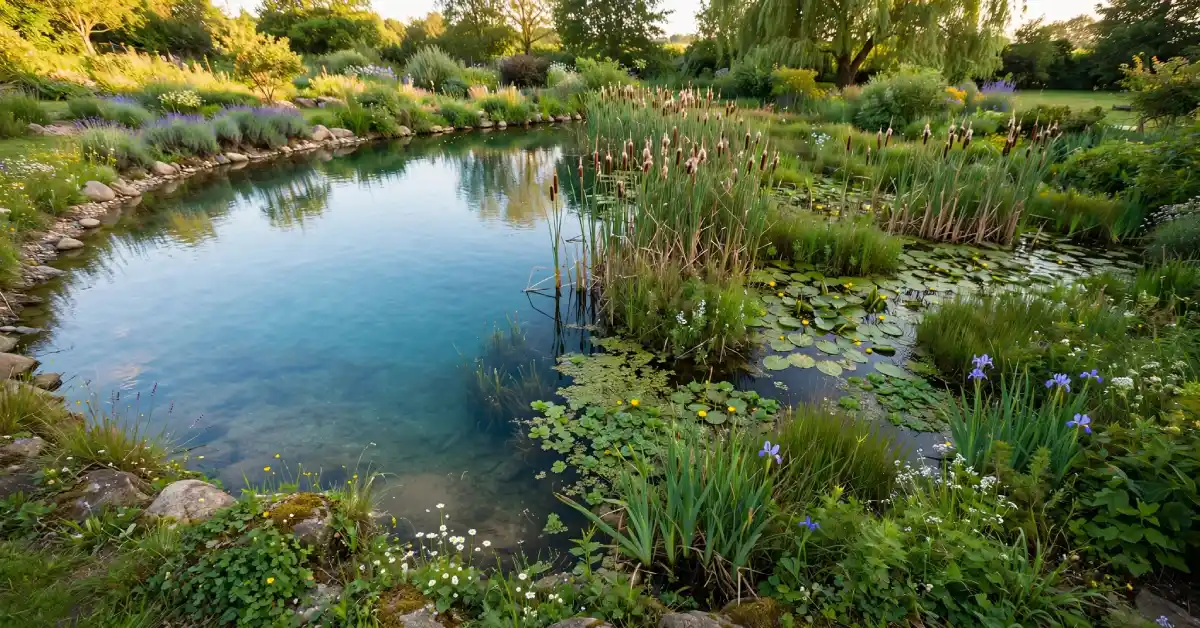
A swimming area paired with a planted filtration zone instead of chemicals, with cooler water and more space required.
Village, Dew, Mill, and Industrial Ponds
Village ponds served as a shared resource. Dew ponds watered livestock on hills. Mill ponds powered machinery, and many survive today as wildlife habitats.
Why Are Ponds Important?
Ponds as Wildlife Habitats
Amphibians, aquatic insects, and many birds need standing water to breed, feed, and shelter.
Supporting Biodiversity
A pond adds a habitat type often missing from managed landscapes and links to larger wetlands.
Providing Water Resources
Ponds are a drinking and bathing source for wildlife, especially during dry spells.
Improving Garden and Landscape Design
Reflections, movement, and sound often make a pond the focal point of a layout.
Creating Spaces for Relaxation and Recreation
The sound of water and cooler air nearby make a garden feel calmer.
How Pond Ecosystems Work
The Role of Water and Soil
Clay holds water naturally, which is why dew ponds relied on puddled clay; sandy soil drains too fast without a liner.
Aquatic Plants and Biological Balance
Plants produce oxygen, absorb nutrients that would feed algae, and shade the water. Too few plants means green water.
Fish, Frogs, Insects, and Other Wildlife
Each layer of pond life depends on the one below, from algae feeding insect larvae up to fish and birds.
Natural Filtration and Water Quality
Plants and bacteria handle most filtration, breaking down waste before algae can use it.
Why Pond Ecosystem Balance Matters
An unbalanced pond shows algae blooms, cloudy water, and silt build-up, usually from too many nutrients relative to available plants.
Natural Swimming Ponds
What Is a Natural Swimming Pond?
A swimming zone kept clear, paired with a densely planted regeneration zone that filters the water.
How Plants Help Keep the Water Clean
Regeneration-zone plants absorb nitrogen and phosphorus before algae can use them.
Biological Filtration and Skimmers
A pump and skimmer help, but biology and plant uptake do the cleaning.
Do Natural Swimming Ponds Need Chemicals?
No. Quality depends on the balance between the regeneration zone and the swimming zone’s load.
Natural Swimming Ponds vs. Traditional Swimming Pools
Pools use chlorine and mechanical filtration; natural ponds rely on biology, sit cooler, and need more space.
Benefits of Swimming in a Natural Setting
These ponds double as a garden feature and wildlife habitat even when unused.
Pond Design Ideas
Small Garden Pond Ideas
A pre-formed liner or half-barrel still supports a few marginal plants; raised ponds suit spaces where digging isn’t practical.
Backyard Pond Ideas
Larger gardens can combine a planted wildlife margin with an open area for a fountain or fish.
Natural-Looking Pond Designs
Irregular edges, varied depths, and native planting read as more natural than straight-edged designs.
Ornamental Pond Designs
Formal designs use straight edges and symmetrical planting, suiting structured gardens.
Pond and Waterfall Designs
A waterfall adds movement and oxygenation, but needs a correctly sized pump.
Modern Pond Landscaping Ideas
Clean lines and materials like concrete or dark liners favour a few striking plants.
Best Plants for Ponds
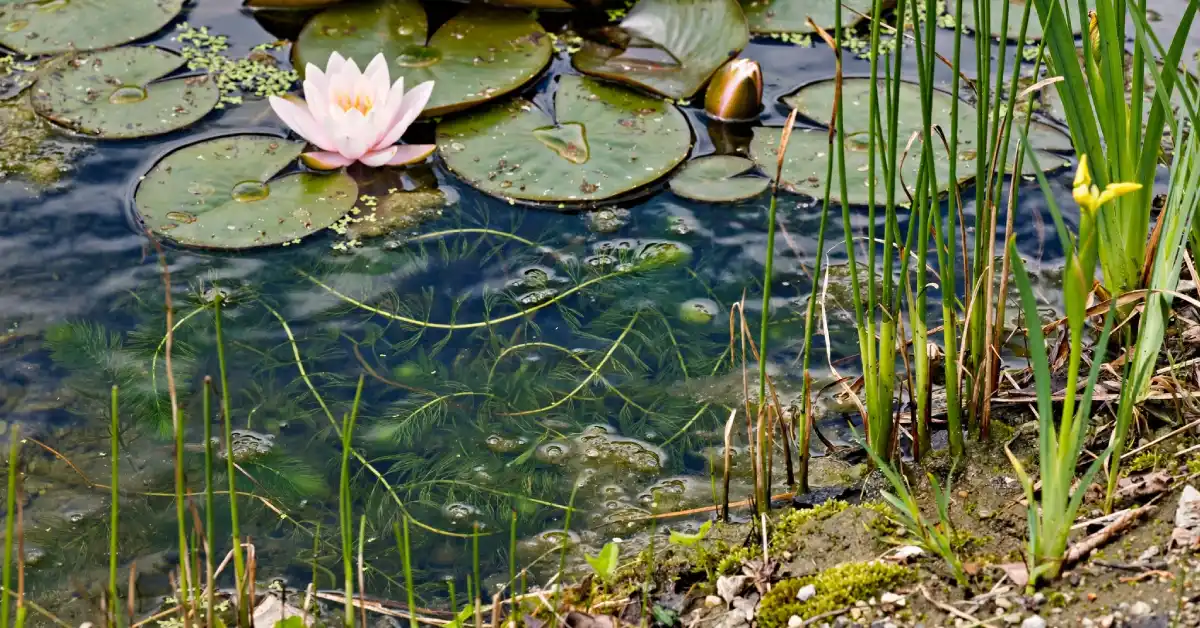
Floating Plants
Sit on the surface with free-hanging roots, shading water and sheltering fish.
Submerged Plants
Oxygenators that grow underwater, releasing oxygen and competing with algae for nutrients.
Marginal Plants
Grow in shallow water at the edge, softening the transition between water and land.
Water Lilies
Root in deeper water with floating leaves that shade the pond and regulate temperature.
Plants That Support Natural Filtration
Reeds and rushes are often planted in a filtration zone to absorb excess nutrients.
Choosing Native Pond Plants
Native plants need less maintenance and support local wildlife; some non-natives turn invasive if unmanaged.
Wildlife That Lives in Ponds
Frogs and Toads
Return each year to breed, laying spawn in shallow water before tadpoles develop and move onto land.
Aquatic Insects
Pond skaters, water boatmen, diving beetles, and dragonfly nymphs, many spending part of their life underwater.
Birds
Use ponds for drinking, bathing, and sometimes hunting; a shallow edge helps smaller species reach the water.
Fish
Native or ornamental, fish occupy different roles depending on setting and are usually left out of wildlife ponds.
Other Pond Animals and Organisms
Newts, water voles, grass snakes, and microscopic organisms round out a pond’s food web.
How to Build a Pond
Choose the Right Location
Several hours of sun supports plant growth, but all-day sun encourages algae; partial shade is often better.
Plan the Pond Size and Shape
Match size to purpose: varied depths for wildlife, at least 60cm for fish, and extra space for a swimming pond.
Dig and Prepare the Pond
Dig with shelves at different depths, and remove sharp stones and roots before lining.
Install a Pond Liner
Flexible liners suit irregular shapes; pre-formed liners suit smaller designs.
Add Rocks, Gravel, and Edging
These hide the liner’s edge, weigh down plant baskets, and matter for safety around children or pets.
Install Pumps and Filtration
Fish ponds generally need a pump and filter; wildlife ponds often manage without one.
Add Plants
Add plants in stages, mixing floating, submerged, marginal, and deep-water types.
Establish a Healthy Pond Ecosystem
A new pond needs weeks to months to find balance, and water may turn green before settling.
How to Keep a Pond Clean and Healthy
Remove Leaves and Debris
Decaying matter feeds algae and lowers oxygen; a net during autumn leaf fall prevents most of it.
Control Algae Growth
Shade from floating plants, competing submerged plants, and barley straw are reliable controls.
Maintain Good Water Quality
Watch for cloudiness, smell, or stressed fish, and test water parameters periodically.
Use Filtration and Skimmers
A filter breaks down waste biologically; a skimmer collects debris before it decays.
Maintain Water Circulation and Oxygen
Moving water holds more oxygen, which matters most in summer.
Control Excess Nutrients
Overfeeding fish and fertiliser runoff both feed algae; reducing the source solves the problem.
Perform Seasonal Pond Maintenance
Clear debris in spring, top up water in summer, net leaves in autumn, and keep a small area ice-free in winter.
Common Pond Problems and Solutions
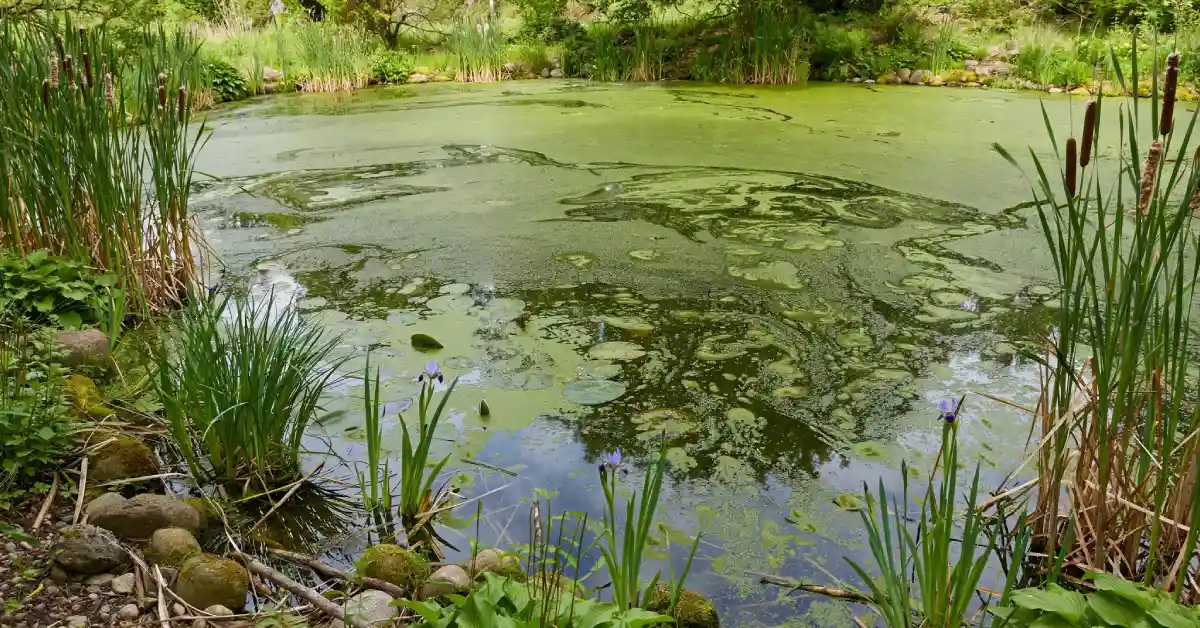
Green or Cloudy Water
Usually an algae bloom from excess nutrients and light; more plants and less feeding resolve it.
Excessive Algae
Thick string algae points to a longer imbalance; manual removal plus more plants helps.
Stagnant Water
Water that doesn’t move loses oxygen and can smell; a pump keeps it circulating.
Pond Silt
Builds up from decaying leaves and waste; a yearly partial clean-out prevents problems.
Poor Water Quality
Often traced to overstocking or overfeeding; testing and adjusting fish numbers corrects it.
Pond Leaks
A dropping water level not explained by evaporation usually means a liner tear.
Invasive Plants
Some pond plants spread aggressively into local waterways; prompt removal prevents further spread.
How to Protect Pond Biodiversity
Why Invasive Species Are a Problem
Invasive plants and animals out-compete native species for light, nutrients, and space.
Choose Native Plants
Native plants suit local conditions, support local wildlife, and need less intervention.
Avoid Introducing Wildlife Unnecessarily
Moving spawn, fish, or plants between ponds can spread disease; wildlife tends to find a good pond on its own.
Create a Safe Habitat for Native Species
Shelves, varied depths, dense planting, and a fish-free environment make a pond more welcoming.
The History and Cultural Importance of Ponds
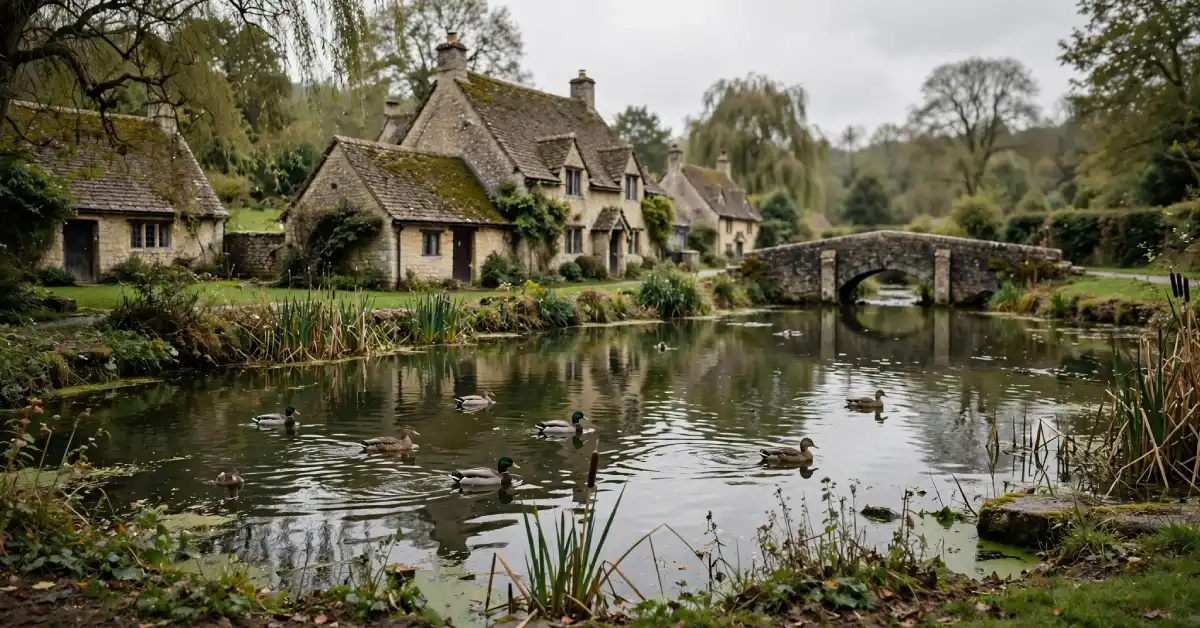
Ancient Garden Ponds
Ornamental ponds appear in garden design going back thousands of years, often as symbols of wealth.
Ponds as Historical Status Symbols
A well-kept ornamental pond signalled land, water rights, and resources spent on appearance alone.
Traditional Village and Dew Ponds
Village ponds anchored rural communities for centuries; dew ponds watered livestock far from streams.
Medieval and Agricultural Ponds
Fish ponds were common at medieval monasteries, valuable on fasting days.
Mill and Industrial Ponds
Mill ponds stored water to turn watermills at a controlled rate before steam power existed.
Recreational Ponds
As practical uses declined, many historical ponds became recreational and wildlife features, a role that continues today.
Interesting Facts About Ponds
- Dragonflies spend most of their life underwater as nymphs before emerging as flying adults.
- Many countries have lost a significant share of historical ponds to drainage and development.
Final Thoughts on Ponds
A pond earns its place in more ways than one: supporting wildlife that would otherwise have nowhere nearby to breed or drink, and changing how a space looks and sounds. The right type depends on the space available and what you want from it, and getting that decision right makes planting, stocking, and upkeep easier.
Frequently Asked Questions About Ponds
What Is a Pond?
Standing water shallow enough for sunlight to reach the bottom throughout, supporting plant growth across its area.
What Are the Main Types of Ponds?
Garden, wildlife, fish and koi, natural, ornamental, natural swimming, and historical types like village and mill ponds.
What Is the Difference Between a Pond and a Lake?
Ponds are shallow enough for light to reach the bottom; lakes are deeper, with plants limited to the shallows.
What Plants Are Best for Ponds?
A mix of floating, submerged, and marginal plants, plus water lilies for deeper areas.
How Do You Keep Pond Water Clean?
Balance plants with nutrient input, remove debris, and avoid overfeeding fish.
Do Ponds Need a Filter?
Fish ponds usually do; wildlife ponds without fish often manage with plants and bacteria alone.
What Animals Live in Ponds?
Frogs, toads, newts, dragonflies, fish, birds, and sometimes water voles or grass snakes.
How Do You Build a Garden Pond?
Choose a shaded spot, dig shelves at varied depths, fit a liner, add edging, and plant gradually.
Are Ponds Good for Wildlife?
Yes, even a small one can provide breeding habitat, water, and shelter that would otherwise be missing.
How Do Natural Swimming Ponds Stay Clean?
A planted regeneration zone filters the water biologically, removing the need for chlorine.