

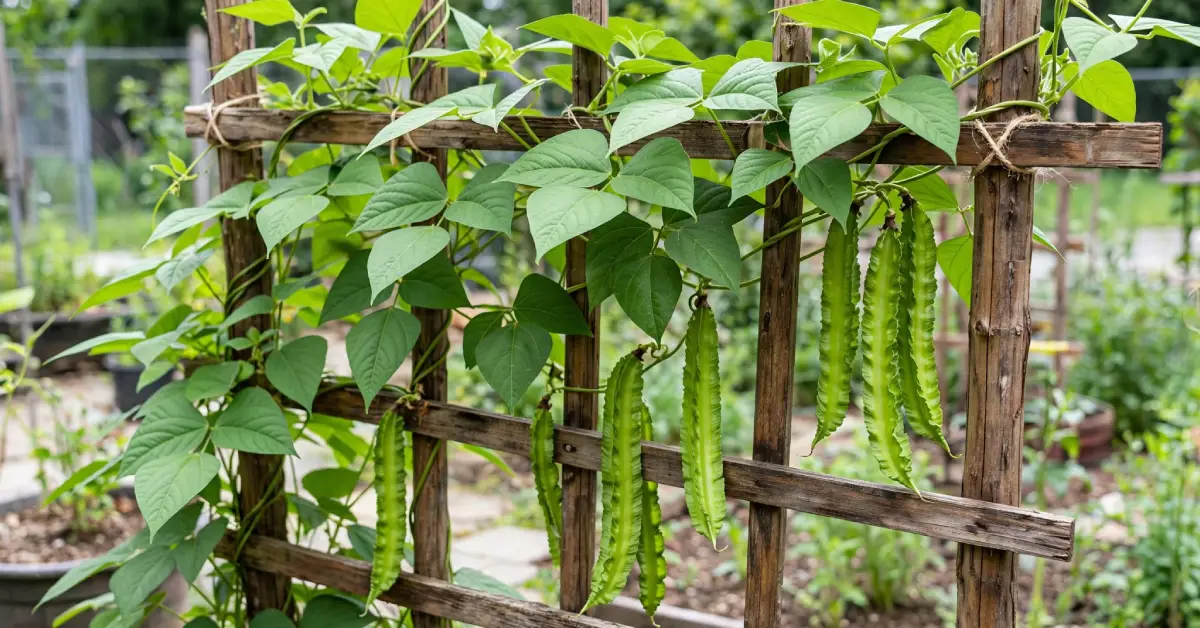
If you’ve ever seen a vine covered in four-sided, ruffled green pods, you’ve likely met the sigarilyas plant. Also known as the winged bean, this climbing legume is one of the most useful plants you can put in a vegetable garden, because almost the entire plant is edible. The pods, leaves, flowers, seeds, and even the tubers can end up on your plate.
This guide covers what the plant needs to thrive, how to plant it correctly, and how to keep it productive through the growing season. Whether you’re gardening in a tropical backyard or trying it in containers somewhere in warmer months, you’ll find the specific steps here rather than vague suggestions.
What Is a Sigarilyas Plant?
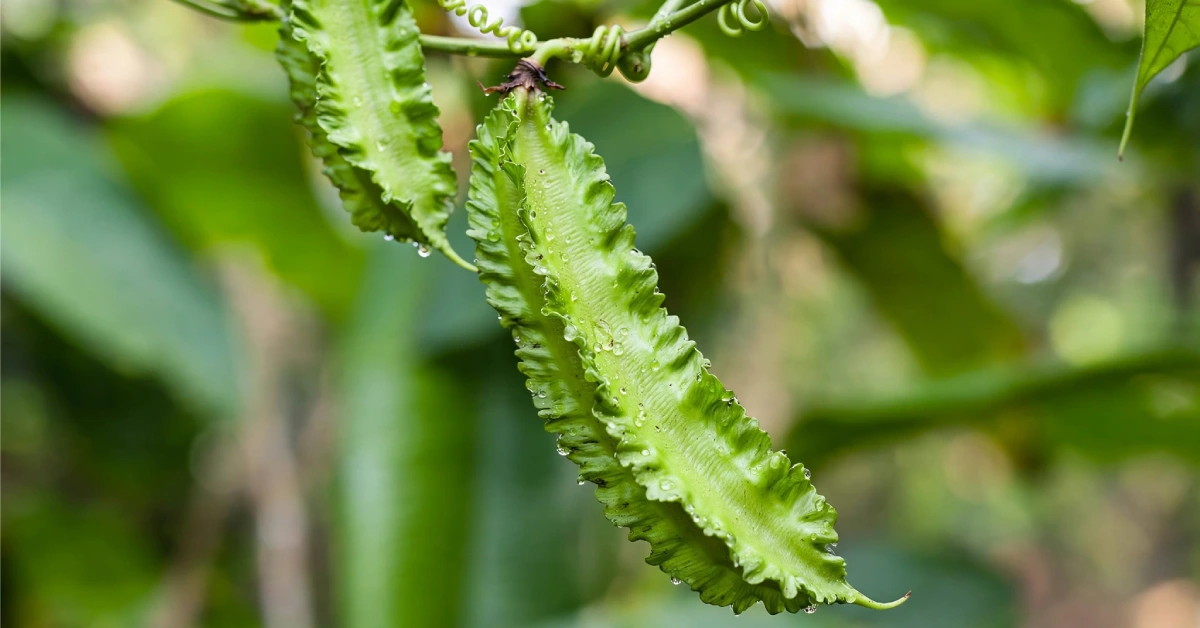
Sigarilyas is the Filipino name for the winged bean, a climbing vine grown for its distinctive pods and highly nutritious leaves, flowers, and tubers.
Scientific Name and Plant Classification
The winged bean’s scientific name is Psophocarpus tetragonolobus. It belongs to the legume family, Fabaceae, which means it shares traits with beans, peas, and lentils, including the ability to fix nitrogen in the soil.
Common Names Around the World
Beyond sigarilyas in the Philippines, the plant goes by several names depending on the region. It’s called winged bean or goa bean in English, kacang botol in Malaysia and Indonesia, and asparagus pea in some parts of Asia and Africa. Each name reflects either its shape or a comparison to another familiar vegetable.
Origin and Native Habitat
The winged bean is believed to have originated in tropical Asia, likely in areas spanning New Guinea and parts of Southeast Asia. It has since spread to tropical regions of Africa and South Asia, where warm, humid climates let it grow well as both a food crop and a soil-improving cover crop.
Why Is It Called Winged Bean?
The name comes from the pod itself. Each pod has four flanges, or “wings,” running along its length, giving it a ruffled, angular look that sets it apart from typical green beans.
Sigarilyas Plant at a Glance
Before planting, it helps to know what you’re working with.
Plant Type
Sigarilyas is a perennial vine, though it’s often grown as an annual in cooler climates or shorter growing seasons.
Mature Size
The vine can climb 3 to 4 meters (roughly 10 to 13 feet) when given proper support, with a spread that depends heavily on the trellis or structure you provide.
Growth Habit
It’s a twining climber, meaning the vine wraps itself around a support rather than clinging with tendrils. It needs something to climb from an early stage.
USDA Hardiness Zones
Sigarilyas grows best in USDA zones 10 through 12, where temperatures stay warm year-round. In cooler zones, it can be grown as a warm-season annual once frost risk has passed.
Sunlight Requirements
Full sun is ideal. The plant needs at least 6 hours of direct sunlight a day to flower and set pods well.
Soil Requirements
Well-draining, loamy soil with plenty of organic matter gives the best results. The plant is fairly adaptable but struggles in compacted or waterlogged ground.
Water Requirements
Consistent moisture matters, especially during flowering and pod development, but the soil should never stay soggy.
Time to Harvest
Pods are typically ready to pick 10 to 12 weeks after planting, though this varies with climate and growing conditions.
Benefits of Growing Sigarilyas
There are practical reasons this plant has stayed popular in home gardens for generations.
Every Part of the Plant Is Edible
Few vegetables offer this much versatility. The young pods, leaves, flowers, mature seeds, and tuberous roots are all edible, which means one plant can supply several different ingredients across a season.
Excellent Source of Plant-Based Protein
The seeds in particular are known for a high protein content, making the plant valuable for gardeners looking to grow more plant-based protein at home.
Improves Soil Fertility Through Nitrogen Fixation
Like other legumes, sigarilyas hosts bacteria in its root nodules that convert atmospheric nitrogen into a form plants can use. This can improve soil fertility for whatever you plant in that spot afterwards.
Perfect for Home Vegetable Gardens
It doesn’t need much space to grow vertically, and a single well-supported vine can produce pods over an extended period, which makes it a strong choice for gardeners short on ground space.
High Yield in Tropical Climates
In climates that match its native range, sigarilyas tends to produce reliably and continuously once established, especially compared to crops that need cooler conditions.
How to Grow a Sigarilyas Plant
Getting started right sets the tone for the rest of the season.
Choosing Healthy Seeds
Look for plump, unblemished seeds without cracks or discolouration. Seeds that feel light or hollow often won’t germinate well.
Preparing Seeds Before Planting
Winged bean seeds have a hard outer coat, which can slow down germination if skipped.
Seed Soaking
Soak seeds in room-temperature water for 12 to 24 hours before planting. This softens the seed coat and speeds up germination.
Scarifying the Seed Coat
Lightly nicking or rubbing the seed coat with sandpaper before soaking can further improve germination rates, especially for older or particularly hard seeds.
Best Time to Plant Sigarilyas
Plant after the last frost date, once soil temperatures are consistently warm. In tropical climates without a frost season, planting can happen at the start of the rainy or warm season.
Choosing the Right Planting Location
Pick a spot with full sun and enough vertical space nearby for a trellis or fence. Avoid low-lying areas where water tends to collect after rain.
Direct Sowing vs. Starting Indoors
Sigarilyas generally does best when sown directly into the ground, since the roots don’t always transplant smoothly. Starting seeds indoors is possible in cooler climates, but transplant carefully to avoid disturbing the root system.
Ideal Growing Conditions for Sigarilyas
Matching the plant’s native environment as closely as possible leads to stronger growth.
Climate Requirements
Warm, humid, tropical or subtropical conditions suit this plant best. It doesn’t tolerate frost.
Temperature Range
Sigarilyas grows well between 20°C and 30°C (68°F to 86°F). Growth slows noticeably below this range, and frost will kill the plant.
Sunlight Needs
Full sun exposure supports the strongest flowering and pod production. Partial shade can still produce a plant, but yields tend to drop.
Humidity Requirements
Higher humidity generally benefits the plant, mirroring its native tropical habitat, though it can still perform reasonably in moderate humidity with consistent watering.
Soil Preparation
Good soil prep now saves problems later.
Best Soil Type
Loamy soil rich in organic matter, with good drainage, works best. Heavy clay soils should be amended before planting.
Ideal Soil pH
Aim for a slightly acidic to neutral pH, roughly between 5.5 and 6.5.
Improving Soil with Organic Matter
Mixing in compost or well-rotted manure before planting improves both drainage and nutrient content, giving young seedlings a stronger start.
Importance of Good Drainage
Standing water around the roots leads to rot quickly. Raised beds or mounded rows can help in areas with heavier soil.
Planting Sigarilyas Step by Step
Once the soil and seeds are ready, planting itself is straightforward.
Correct Planting Depth
Plant seeds about 2.5 cm (1 inch) deep into prepared soil.
Proper Plant Spacing
Space plants 30 to 45 cm (12 to 18 inches) apart to give vines room to climb without excessive competition for light and nutrients.
Row Spacing
If planting in rows, leave about 60 to 90 cm (2 to 3 feet) between rows to allow airflow and easier access for maintenance.
Hill Planting Method
Some gardeners plant in small hills, placing 2 to 3 seeds per hill near a support structure, then thinning to the strongest seedling once germination is confirmed.
Watering Immediately After Planting
Water gently right after planting to settle the soil around the seeds and encourage even germination.
Trellis and Support Requirements
This is a climbing plant, so support isn’t optional.
Why Sigarilyas Needs a Trellis
Without something to climb, vines will sprawl along the ground, which reduces airflow, increases disease risk, and makes harvesting pods much harder.
Best Trellis Materials
Bamboo poles, wire fencing, or wooden lattice all work well. The material matters less than having a sturdy, vertical structure the vine can wrap around.
Recommended Trellis Height
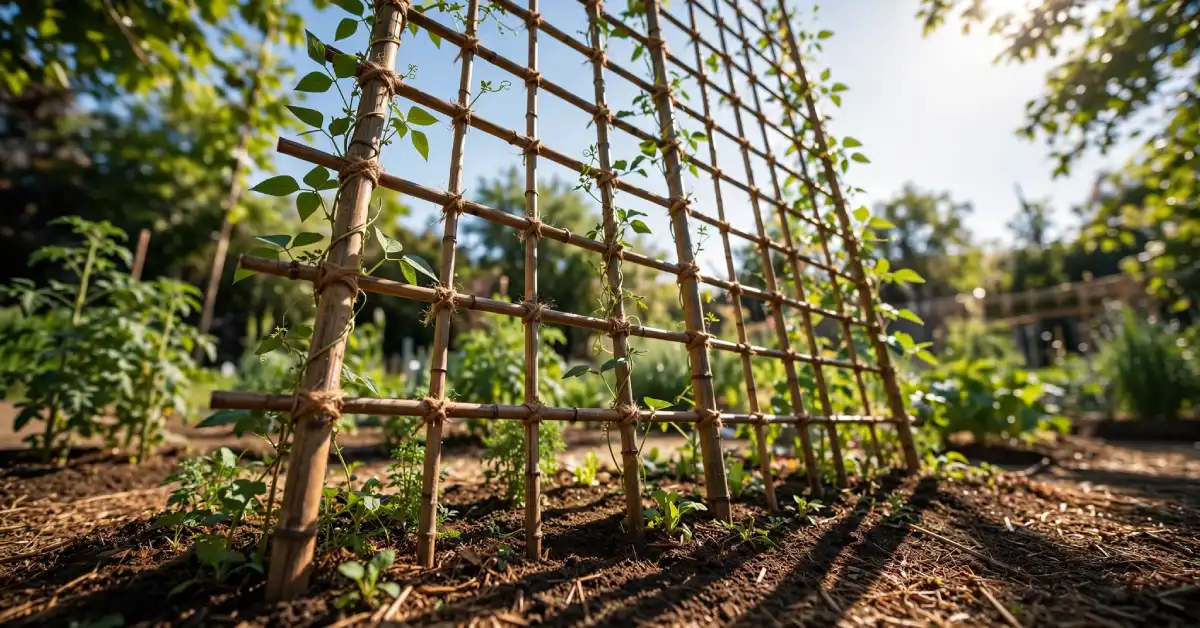
A trellis at least 2 meters (about 6.5 feet) tall gives the vine enough room to grow without needing constant redirection.
Training Young Vines
Gently guide young shoots toward the support structure as they emerge. Once they reach the trellis, the twining growth habit takes over naturally.
Sigarilyas Plant Care
Consistent care through the growing season keeps plants healthy and productive.
Watering Schedule
Water deeply once or twice a week, adjusting for rainfall and temperature. Increase frequency during flowering and pod formation, when the plant needs more moisture.
Fertilizing Tips
Because sigarilyas fixes its own nitrogen, heavy nitrogen fertiliser usually isn’t necessary and can actually reduce pod production by encouraging leafy growth instead. A balanced fertiliser, applied sparingly, or compost worked into the soil is usually enough.
Mulching
A layer of mulch around the base helps retain soil moisture, suppress weeds, and moderate soil temperature.
Weed Control
Keep the area around young plants weed-free, since seedlings compete poorly with fast-growing weeds early on. Established vines handle competition better.
Pruning and Pinching
Pinching back growing tips early on can encourage bushier growth and more flowering points, which often translates into more pods later in the season.
Encouraging More Flowers and Pods
Regular harvesting of pods actually encourages the plant to keep producing more, since letting pods mature and dry on the vine signals the plant to slow down flowering.
Common Problems and Solutions
Even well-cared-for plants run into issues. Here’s how to recognise and fix the most common ones.
Seeds Not Germinating
This is usually due to old seed, a hard seed coat that wasn’t softened, or soil that’s too cold or too wet. Soak and scarify seeds before planting, and wait for warmer soil temperatures.
Yellow Leaves
Yellowing can point to overwatering, poor drainage, or a nutrient deficiency, particularly nitrogen or iron. Check soil moisture first before adjusting fertiliser.
Brown or Dry Leaves
This often signals underwatering or excessive heat exposure. Consistent watering and light mulching usually resolve it.
Slow Growth
Cool temperatures, insufficient sunlight, or compacted soil are common culprits. Confirm the plant is getting enough warmth and light before assuming a nutrient issue.
Poor Flowering
Too much nitrogen fertiliser, insufficient sunlight, or high humidity paired with poor airflow can all suppress flowering. Cutting back on nitrogen and improving air circulation around the plant often helps.
No Pod Production
If flowers appear but pods don’t form, poor pollination is often the cause. Encouraging pollinator activity or hand-pollinating flowers can improve pod set.
Root Rot
Usually caused by waterlogged, poorly draining soil. Improve drainage and avoid overwatering, and remove affected plants if rot has spread significantly.
Common Pests and Diseases
Watching for these early prevents bigger problems later.
Aphids
Small, sap-sucking insects that cluster on new growth and flower buds. They can be managed with insecticidal soap or a strong spray of water to dislodge them.
Bean Mosaic Virus
This viral disease causes mottled, distorted leaves and reduced yields. There’s no cure once a plant is infected, so removing and destroying affected plants helps prevent spread to healthy ones.
Downy Mildew
Appears as yellow patches on upper leaf surfaces with a greyish fuzzy growth underneath. Good airflow and avoiding overhead watering reduce its spread.
Powdery Mildew
A white, powdery coating on leaves, usually worse in humid conditions with poor air circulation. Spacing plants properly and watering at the base rather than overhead helps prevent it.
Organic Pest Control Methods
Neem oil, insecticidal soap, and introducing beneficial insects like ladybugs are common organic approaches that avoid harsh chemical pesticides.
Preventing Plant Diseases
Crop rotation, proper spacing for airflow, and avoiding wet foliage at night all reduce disease pressure significantly.
Harvesting Sigarilyas
Timing matters for both flavour and continued production.
When to Harvest the Pods
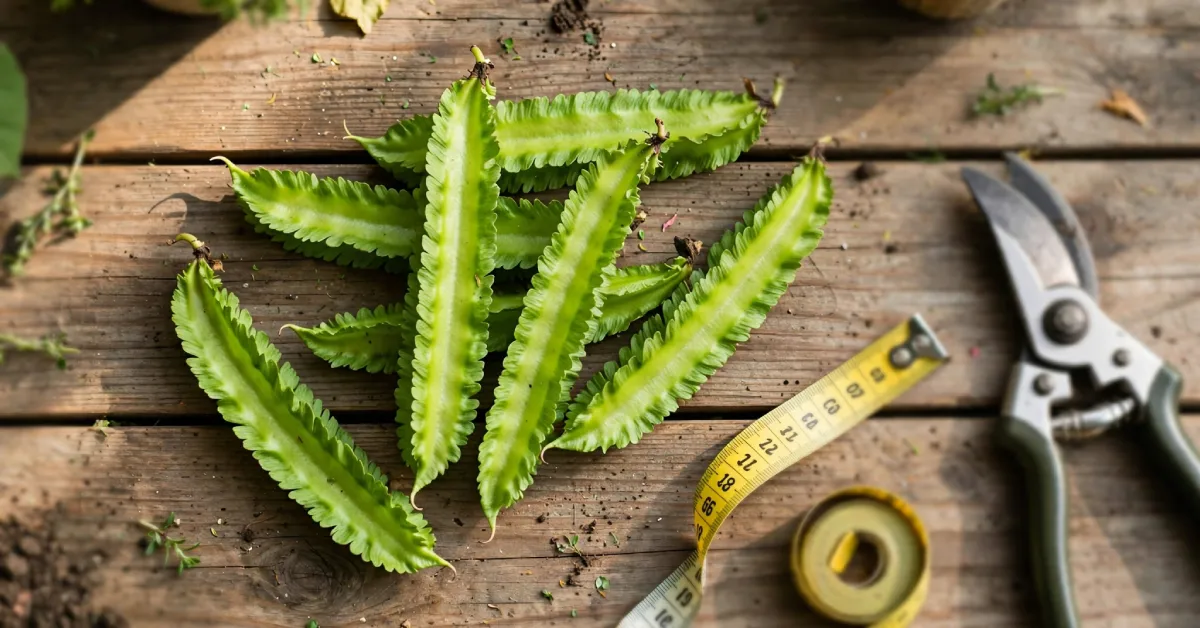
Pick pods while they’re young and tender, usually when they’re around 10 to 15 cm (4 to 6 inches) long, before the seeds inside become fully developed. Older pods turn tough and fibrous.
Harvesting Leaves
Young leaves can be picked throughout the growing season and used similarly to spinach. Take leaves gradually rather than stripping the plant, so it can keep growing.
Harvesting Flowers
The blue-purple flowers are edible and can be picked as needed, though harvesting too many will reduce pod production, since flowers are what develop into pods.
Harvesting Seeds
If you want mature seeds, either for eating or for saving to plant next season, let selected pods stay on the vine until they turn brown and dry.
Harvesting Tubers
The tuberous roots can be harvested at the end of the growing season, typically after the vine has finished producing pods, similar to harvesting other root vegetables.
Tips for Continuous Harvests
Regular picking of young pods every few days encourages the vine to keep flowering and producing, extending the harvest window considerably.
How to Store Sigarilyas
Proper storage keeps your harvest usable for longer.
Refrigerating Fresh Pods
Store unwashed pods in a perforated plastic bag in the refrigerator, where they’ll typically stay fresh for about a week.
Freezing
Blanch pods briefly before freezing to preserve texture and colour for longer-term storage.
Drying Seeds
Let mature seeds dry fully on the vine or spread them out indoors until they’re hard and rattle inside the pod before storing.
Saving Seeds for Next Season
Store dried seeds in a cool, dry, airtight container away from direct sunlight to keep them viable for the next planting season.
Can You Grow Sigarilyas in Containers?
Yes, with the right setup, though it takes a bit more attention than in-ground planting.
Choosing the Right Container
Pick a deep container, at least 40 to 45 cm (16 to 18 inches) deep, to accommodate the root system, with drainage holes at the bottom.
Best Potting Mix
A well-draining potting mix amended with compost gives roots the nutrients and aeration they need.
Watering Container Plants
Containers dry out faster than garden soil, so check moisture levels more often, especially during warm weather.
Supporting Container-Grown Vines
Insert a trellis or stake directly into the container at planting time, since adding support later can damage established roots.
Companion Planting
Pairing sigarilyas thoughtfully with other plants can benefit the whole garden bed.
Best Companion Plants
Corn or sunflowers can double as a natural trellis for the vine, while low-growing herbs and leafy greens can share the same bed without competing for light.
Plants to Avoid
Avoid planting alongside other heavy nitrogen feeders that would compete for the same nutrients, or plants that have very different watering needs.
Benefits for Vegetable Gardens
Because it fixes nitrogen in the soil, sigarilyas can improve conditions for nearby or subsequent crops that need more nitrogen to thrive.
Nutritional Value of Sigarilyas
This plant earns its place in the garden partly because of what it offers nutritionally.
Protein Content
The seeds are especially notable for their protein content, comparable to other high-protein legumes like soybeans.
Vitamins and Minerals
The leaves and pods provide a range of vitamins and minerals, including vitamin A, vitamin C, iron, and calcium.
Dietary Fiber
Pods and leaves contribute meaningful dietary fibre, supporting digestive health as part of a balanced diet.
Antioxidants
The plant contains various antioxidant compounds, though the exact levels vary depending on which part of the plant and how it’s prepared.
Culinary Uses of Sigarilyas
Its versatility in the kitchen matches its versatility in the garden.
Cooking Young Pods
Young pods can be steamed, stir-fried, or added to soups, similar to how you’d cook green beans, and they hold their crunch well when cooked briefly.
Using the Leaves
Leaves can be cooked like spinach or other leafy greens, sautéed, added to soups, or steamed.
Edible Flowers
The flowers are often used as a garnish or added to salads and rice dishes for both colour and a mild flavour.
Cooking the Tubers
The tubers can be boiled, steamed, or roasted, similar to how you’d prepare other root vegetables like potatoes.
Popular Filipino and Southeast Asian Recipes
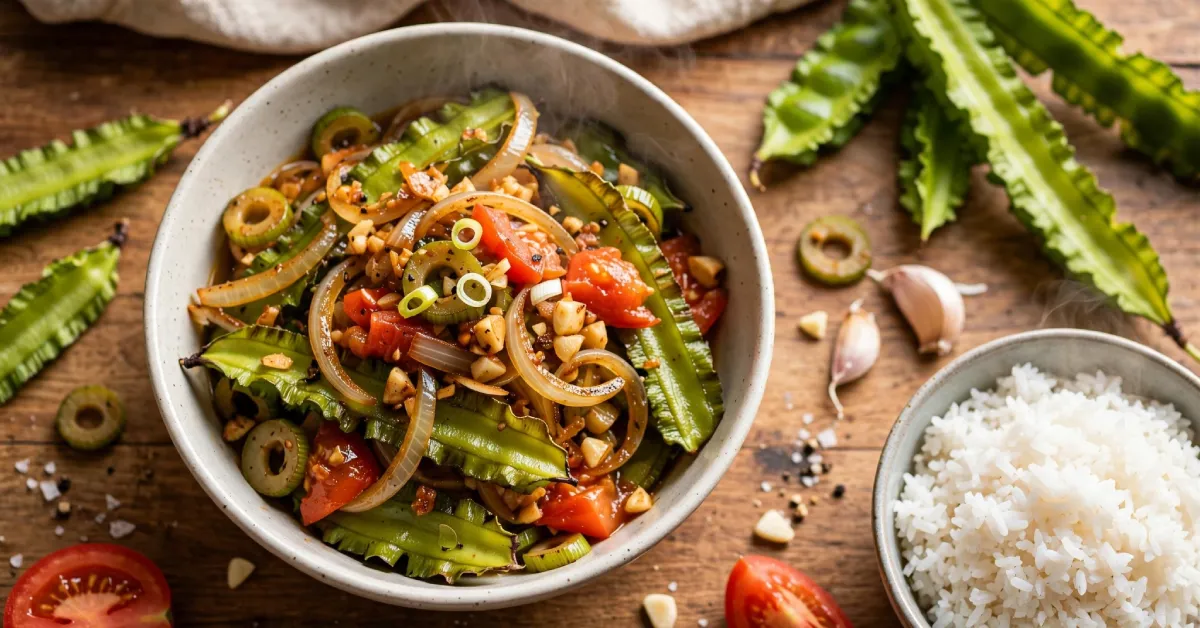
In the Philippines, sigarilyas pods are commonly stir-fried with garlic, onion, and tomato, or added to dishes like pinakbet, a mixed vegetable stew. Across Southeast Asia, similar preparations appear in regional stir-fries and salads.
Final Thoughts
Sigarilyas rewards gardeners with a plant that gives back in almost every part: pods, leaves, flowers, seeds, and tubers. Success comes down to a few fundamentals: full sun, well-draining soil, a sturdy trellis, and steady watering through flowering and pod development.
Skipping seed preparation, planting without a trellis in place, overfeeding with nitrogen, and letting pods mature too long on the vine are the most common ways gardeners cut their harvest short.
Few plants offer this much usable food from a single vine while also improving the soil for future crops. For gardeners in warm climates looking for a productive, low-maintenance vegetable, sigarilyas is worth the trellis space.
Frequently Asked Questions
What is a sigarilyas plant?
Sigarilyas is the Filipino name for the winged bean, a climbing legume grown for its edible pods, leaves, flowers, seeds, and tubers.
Is sigarilyas the same as winged bean?
Yes. Sigarilyas and winged bean refer to the same plant, Psophocarpus tetragonolobus, with the name varying by region.
How long does it take for sigarilyas to grow?
Pods are typically ready to harvest around 10 to 12 weeks after planting, though this depends on climate and growing conditions.
Does sigarilyas need full sun?
Yes, it grows best with at least 6 hours of direct sunlight daily for strong flowering and pod production.
Can sigarilyas grow in pots?
Yes, as long as the container is deep enough and has a sturdy trellis or stake for the vine to climb.
How often should I water sigarilyas?
Water deeply once or twice a week, increasing frequency during flowering and pod development, while avoiding waterlogged soil.
What fertiliser is best for sigarilyas?
A balanced fertiliser used sparingly works well, since the plant fixes its own nitrogen and doesn’t need heavy nitrogen feeding.
Why are my sigarilyas seeds not germinating?
Old seeds, an unsoftened seed coat, or cold or overly wet soil are the most common causes. Soaking and scarifying seeds before planting usually helps.
Why is my sigarilyas not producing pods?
This is often due to poor pollination, excess nitrogen fertiliser, or insufficient sunlight. Encouraging pollinators and reducing nitrogen input can help.
Are sigarilyas leaves and flowers edible?
Yes, both the leaves and flowers are edible, in addition to the pods, seeds, and tubers.
When should I harvest winged beans?
Harvest pods while they’re young and tender, around 10 to 15 cm long, before the seeds inside fully mature.
Is sigarilyas easy for beginners to grow?
Yes. With full sun, well-draining soil, and a sturdy trellis, it’s a fairly manageable plant for beginner gardeners, especially in warm climates.