

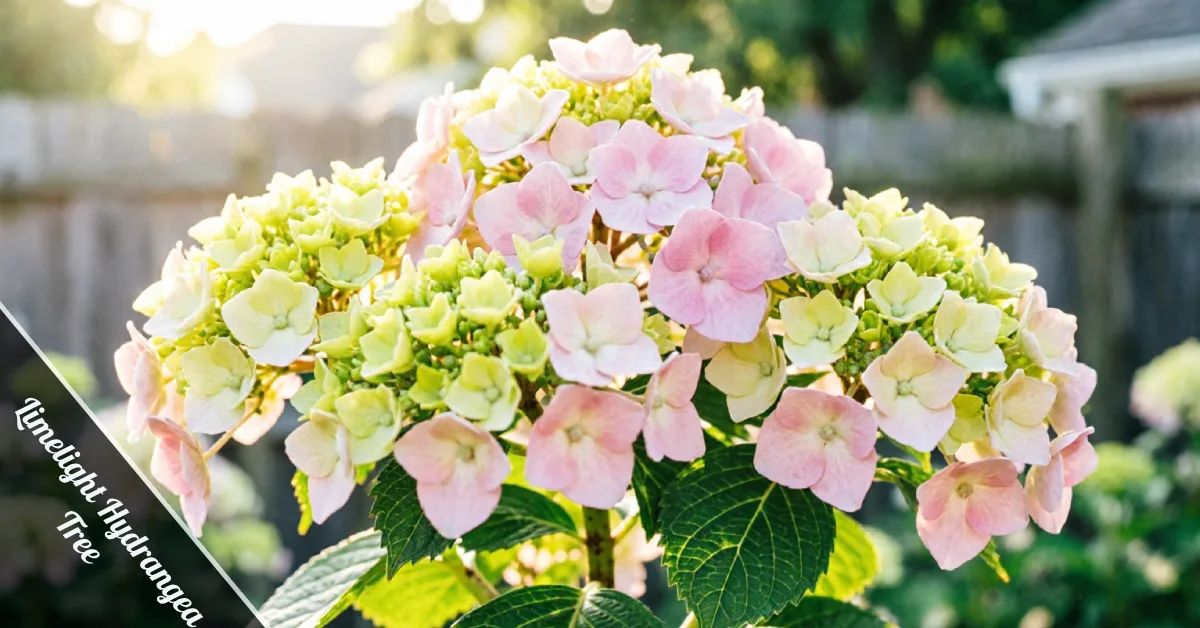
So you’ve spotted a Limelight Hydrangea Tree somewhere — maybe a neighbor’s yard, maybe a garden center — and now you can’t stop thinking about it. Good instinct. This tree brings big, creamy-green blooms that shift to pink as summer fades, and it does it without demanding constant attention. Think of it as the friend who always shows up looking put-together without trying too hard. Similar low-effort, high-payoff energy shows up in plants like Italian prune trees, which reward patience over fuss. Below, we’ll walk through everything you need to plant, grow, and keep one thriving.
What Makes This Tree Different
A Limelight Hydrangea Tree is really a hydrangea shrub trained into a single-trunk tree shape. Nurseries do this by pruning young plants carefully over several seasons. The result is a tidy, rounded canopy that sits above a clean trunk, giving your yard a bit more structure than a sprawling bush would.
That single-trunk form makes it perfect for tight spaces, entryways, or as a focal point near a patio. It still produces the same massive cone-shaped blooms as the shrub version, just lifted so you can actually admire them without bending over.
Unlike some finicky ornamental trees, this one doesn’t ask for much once it’s settled in. You get the visual weight of a small tree with the reliable, forgiving nature of a shrub, which is a pretty solid trade.
How Big Does It Get
Most trees reach 6 to 8 feet tall, with some maturing closer to 10 feet under ideal conditions. The canopy usually spreads 5 to 7 feet wide once fully established.
Give it room to breathe. Planting one too close to a fence or another shrub will crowd the roots and limit airflow, which invites fungal problems down the road.
Growth speed is moderate, usually adding a foot or so each year once roots are established. Full mature size typically shows up around the third or fourth growing season.
Sunlight and Soil Requirements
This tree wants at least six hours of direct sun daily, though afternoon shade helps in hotter climates. Too little sun means fewer blooms and a leggy, stretched-out shape you’ll want to avoid.
Soil should drain well but hold onto some moisture — think rich and loamy, not sandy or waterlogged. A slightly acidic to neutral pH, somewhere around 6.0 to 6.5, keeps roots happy and blooms consistent from year to year.
If your soil leans heavily on clay, work in some compost before planting. This one small step can make a real difference in how well a Limelight Hydrangea Tree settles into its new spot.
Watering and Fertilizing
Water deeply once or twice a week during the first growing season while roots establish themselves. After that, most Limelight Hydrangea Trees need only supplemental water during dry spells or heat waves.
A slow-release, balanced fertilizer applied in early spring gives the tree what it needs for the season. Skip heavy nitrogen feeds — they push leafy growth at the expense of the big blooms you actually planted this tree for.
Container-grown trees dry out faster than ones in the ground, so check soil moisture more often if yours lives in a pot. A finger test an inch deep tells you everything you need to know.
| Care Task | Frequency | Notes |
|---|---|---|
| Watering | 1-2x weekly (first year) | Reduce once established |
| Fertilizing | Once, early spring | Use a balanced, slow-release formula |
| Mulching | Once, spring or fall | Keep mulch a few inches from the trunk |
| Pruning | Once, late winter | Cut back to strong buds |
Pruning Guide
Prune in late winter or very early spring, before new growth kicks in. Since this variety blooms on new wood, cutting it back hard actually encourages a fuller flush of flowers rather than hurting the show.
Remove dead, crossing, or weak branches first. Then trim the remaining stems back by about a third to keep the canopy shape tidy and prevent branches from flopping under heavy blooms later in summer.
Clean cuts matter more than most people realize. Use sharp, sanitized shears so you’re not tearing bark or inviting disease into fresh wounds.
Seasonal Care Throughout the Year
Spring is for feeding, mulching, and watching new growth emerge along the pruned branches. Summer is mostly hands-off, aside from watering during dry spells and enjoying the color show as blooms shift from green to white to pink.
Fall care is light — just clear fallen leaves and check for any storm damage. Winter needs almost nothing from you, since this tree handles cold well and doesn’t require wrapping or covering in most regions.
A little bit of attention at each season keeps a Limelight Hydrangea Tree healthy year after year, without turning into a full-time hobby.
Common Problems and How to Fix Them
Wilting leaves usually point to inconsistent watering rather than disease, so check soil moisture before assuming the worst. Yellow leaves often mean poor drainage or a nutrient imbalance in the soil around the roots.
Pests are rarely a big issue for this variety, though aphids can occasionally show up on new growth. A quick spray of water usually knocks them off without needing anything stronger.
Weak or floppy blooms happen when pruning was too light the previous winter, leaving thin branches that can’t support heavy flower heads. A harder pruning next season usually solves this problem completely.
Heavy branches that droop under the weight of blooms usually just need a bit of support, like a simple stake, until stems thicken up over a couple of seasons.
Landscaping Uses Worth Considering
Because of its tidy tree shape, this variety works beautifully as a specimen plant near entryways, patios, or along a walkway. It also pairs nicely with lower perennials planted underneath, similar to how gardeners layer flowering perennials like helianthemum beneath taller shrubs for depth.
Rows of these trees can also form a soft, informal privacy screen along a property line. The blooms add seasonal color without the rigid look of traditional hedging plants.
Planted near a patio or deck, a Limelight Hydrangea Tree gives you shade-adjacent beauty without blocking the view the way a full-size shade tree would.
Buying Tips for Healthy Trees
Look for a straight, sturdy trunk with no visible wounds or splitting bark before buying. Healthy foliage should be deep green with no yellowing, spotting, or wilting visible at the nursery.
If you’re shopping locally, checking with a specialty grower — the way you might browse Doan Nursery in Irving for other established trees — often gets you a healthier, better-shaped plant than one from a big box store.
Ask about the graft or trunk formation before you buy, too. A well-formed trunk on a young Limelight Hydrangea Tree means less corrective pruning for you down the line.
Final Thoughts
A Limelight Hydrangea Tree rewards you with dramatic blooms and a clean silhouette in exchange for pretty modest upkeep. Get the sun, soil, and pruning right, and this tree will anchor your landscape for years without becoming a chore. Plant it once, prune it yearly, and let it do the rest of the work.