

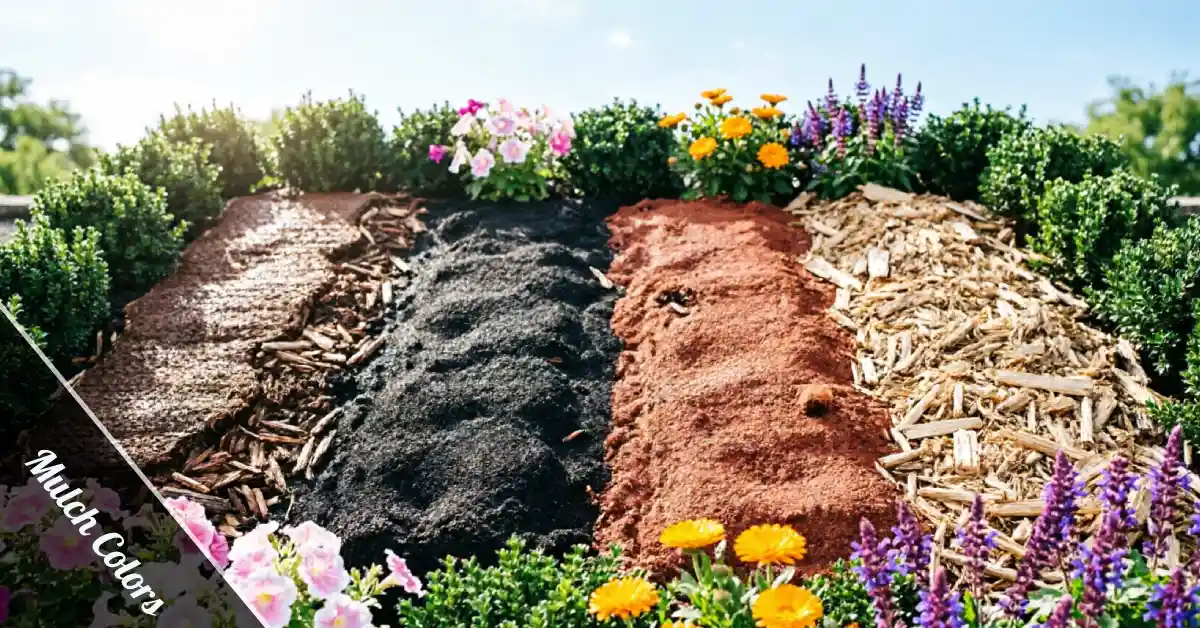
Your yard’s got a vibe, and mulch colors are the secret accessory that ties it together. Think of it like picking the right frame for a painting — get it wrong, and even the prettiest flower bed looks off. If you’re already dressing up a corner of the yard with something like a star jasmine trellis, the mulch underneath should complement it, not compete with it.
Why Mulch Colors Matter for Curb Appeal
Mulch isn’t just filler. The right mulch colors pull your whole landscape together in one glance. Dark mulch makes green leaves pop. Light mulch softens a busy garden bed. It’s a small choice with a big visual payoff.
People walking or driving by notice color contrast before they notice anything else. That’s just how eyes work — they’re drawn to edges and shifts in tone. Smart mulch colors create that contrast on purpose.
Brown Mulch: The Classic Choice
Brown mulch is the reliable friend who matches everything. It looks natural next to brick, stone, siding, or wood trim, so it rarely clashes with your house. Most homeowners default here for good reason.
It also holds its tone longer than red or black. Sun exposure fades it slowly rather than leaving it patchy. If you want low-drama mulch colors, brown is your answer.
Black Mulch: Bold and Modern
Black mulch brings serious contrast. Against green shrubs or bright flowers, it makes everything look sharper and more intentional. Modern homes with clean lines especially benefit from this look.
One catch: black absorbs more heat. In hot climates, that extra warmth can stress shallow-rooted plants. Good mulch colors should support your plants, not fight them.
Red Mulch: Vibrant but Fussy
Red mulch grabs attention fast. It works beautifully against gray or white house exteriors, giving beds a warm, energetic feel. Fans of bold mulch colors usually land here first.
The tradeoff is fading. Red dye breaks down under UV rays faster than brown or black dye does. Expect to refresh it more often if you want that color to stay sharp.
Natural Mulch: Low Maintenance, No Dye
Natural mulch skips the dye entirely. It’s just aged wood, bark, or chips, so there’s nothing artificial to fade or wash out unevenly. Many gardeners like the simplicity here.
It’s also considered gentler for soil health since there’s no colorant leaching into the ground. If chemical-free mulch colors matter to you, natural wins by default.
Quick Comparison Table
| Mulch Color | Best For | Fades? | Heat Absorption |
|---|---|---|---|
| Brown | Traditional homes, brick exteriors | Slow | Moderate |
| Black | Modern homes, bold contrast | Slow | High |
| Red | Gray/white exteriors, bright beds | Fast | Moderate |
| Natural | Chemical-free gardens | Minimal | Low |
Matching Mulch Colors to Plants and Landscape Style
Flowers and foliage should guide your mulch pick, not the other way around. Bright pink or purple blooms, like a Limelight Hydrangea tree, look striking against dark mulch beds.
Cottage-style gardens tend to favor natural or brown mulch colors for that relaxed, earthy feel. Rustic landscapes lean the same way, keeping things understated.
Meanwhile, modern minimalist yards often go black or deep brown. The contrast against green foliage feels crisp and deliberate, almost architectural.
Climate and Sunlight Considerations
Sunny, hot regions push more heat through dark mulch colors, which can dry out topsoil faster. That means more watering, especially for plants with shallow roots.
Cooler, shadier yards handle black or brown mulch just fine since there’s less direct heat buildup. Match your climate before you match your aesthetic.
Heavy rain regions should also think about drainage. Wood mulch, regardless of color, helps slow erosion and keeps soil moisture more even across the season.
How Mulch Colors Fade Over Time
Sunlight is the main culprit behind fading. UV rays break down dye molecules, so red and black mulch colors lighten noticeably within a few months of heavy exposure.
Rain speeds this up, too, washing pigment out with every storm. Areas under direct sun and regular sprinklers will fade fastest of all your beds.
Refreshing Mulch Color Without Replacing It
You don’t need to haul out old mulch just because the color faded. A mulch color spray can restore vibrancy in an afternoon, and it’s far cheaper than buying new bags.
Just rake the bed first to loosen compacted material. Spray evenly, let it dry fully, and your mulch colors will look freshly laid again for a fraction of the cost.
Buying Mulch Colors at Home Depot or Lowe’s
Both retailers carry the standard lineup: brown, black, red, and natural. Home Depot leans toward wider color variety, while Lowe’s often highlights heat-conscious options for warmer climates.
Always check the bag for coverage specs before buying. Mulch colors can look different once spread thin versus piled in a sample photo online.
Look at Samples Before You Commit
Photos online rarely match real lighting in your yard. Grab a small sample bag or scoop from a display bin and set it against your actual siding or flower bed first.
Natural light shifts color perception throughout the day, so check your sample in both morning and afternoon sun. This one step saves a lot of buyer’s remorse.
If you’re already planning bigger structural additions, like a hog wire fence, pick your mulch color first — it’s easier to match fencing and hardscaping to mulch than the other way around.
Wrapping It Up
Mulch colors aren’t just decoration — they shape how your whole yard reads at a glance. Brown plays it safe, black adds drama, red brings energy, and natural keeps things simple and chemical-free.
Pick based on your house exterior, your plants, and your climate, and refresh with a spray when fading kicks in. Small choice, big impact — that’s the deal with mulch colors.
FAQs
Do mulch colors affect plant health?
Dark colors absorb more heat, which can stress shallow-rooted plants in hot climates. Light or natural mulch stays cooler.
How often should I replace colored mulch?
Most dyed mulch needs refreshing every 6 to 12 months, depending on sun exposure and rainfall.
Is natural mulch better than dyed mulch?
Not better, just different. Natural mulch skips dye and fading concerns, while dyed mulch offers more design flexibility.