

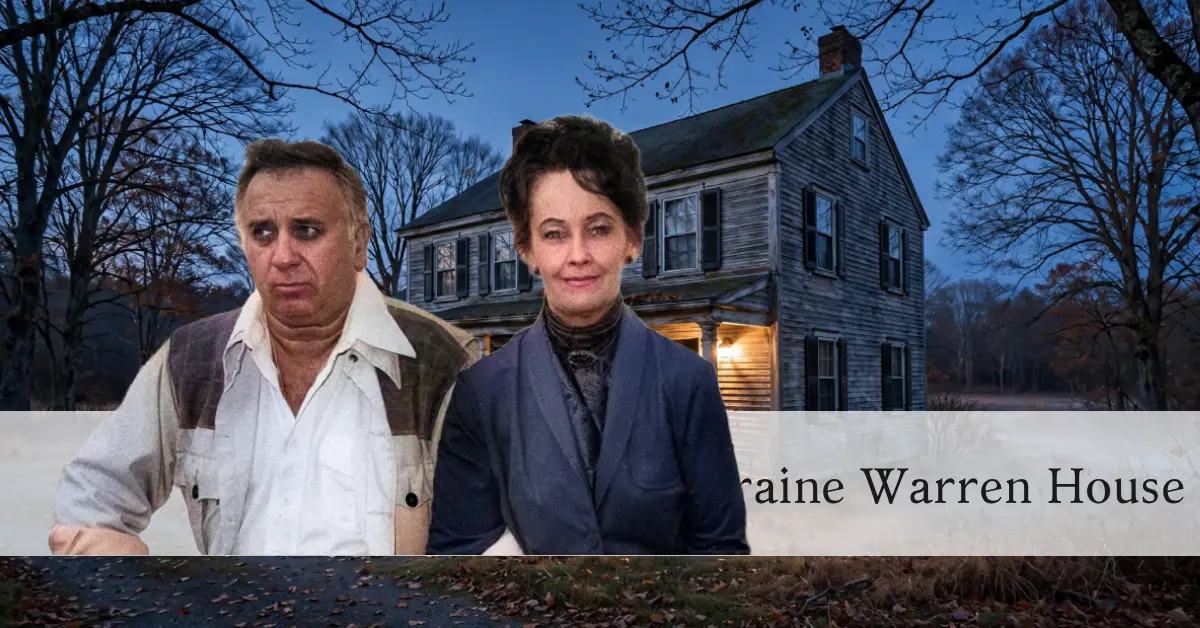
Ed and Lorraine Warren’s Occult Museum holds one of the most talked-about collections in American paranormal history, but for years the public could not step inside it. The house sat closed behind a quiet residential street in Monroe, Connecticut, while online rumours filled the gap left by official information.
That changed in 2025. A new sale, a new set of owners, and a real booking calendar turned an old, closed museum into a place people can actually visit again.
This guide covers where the Ed and Lorraine Warren House is located, why it shut its doors, who owns it now, and what a visit actually involves in 2026. It also separates confirmed facts from the rumours that have built up around the property since it first became famous.
Who Were Ed and Lorraine Warren
Ed and Lorraine Warren founded the New England Society for Psychic Research in 1952. Ed worked as a self-taught demonologist. Lorraine described herself as a clairvoyant and medium. Together they investigated hundreds of claimed hauntings across the country for more than five decades.
Their cases became the basis for major horror franchises, including The Conjuring, The Amityville Horror, and Annabelle. Sceptics and researchers have long questioned their methods and conclusions, and that debate still shapes how people talk about the Warrens today. Whatever a reader believes about the paranormal side of their work, the couple built a large personal collection of objects tied to their investigations, and that collection is what the museum still houses.
Beyond investigations, Ed and Lorraine spent decades on the college lecture circuit, speaking to packed auditoriums about their case files. They also wrote several books together, cataloguing cases that later fed directly into film scripts. That steady public presence, more than any single event, is what turned a private basement collection into a recognisable name across the country.
Lorraine outlived Ed by thirteen years and continued speaking publicly about their work well into her nineties. During that stretch, the museum stayed technically open in a limited, appointment-only way, even as the town’s patience with visitor traffic wore thin. Understanding that slow build helps explain why the closure years later felt sudden to fans but had actually been building for a long time.
Inside the Warren Occult Museum’s History
 Where the Ed and Lorraine Warren House Sits
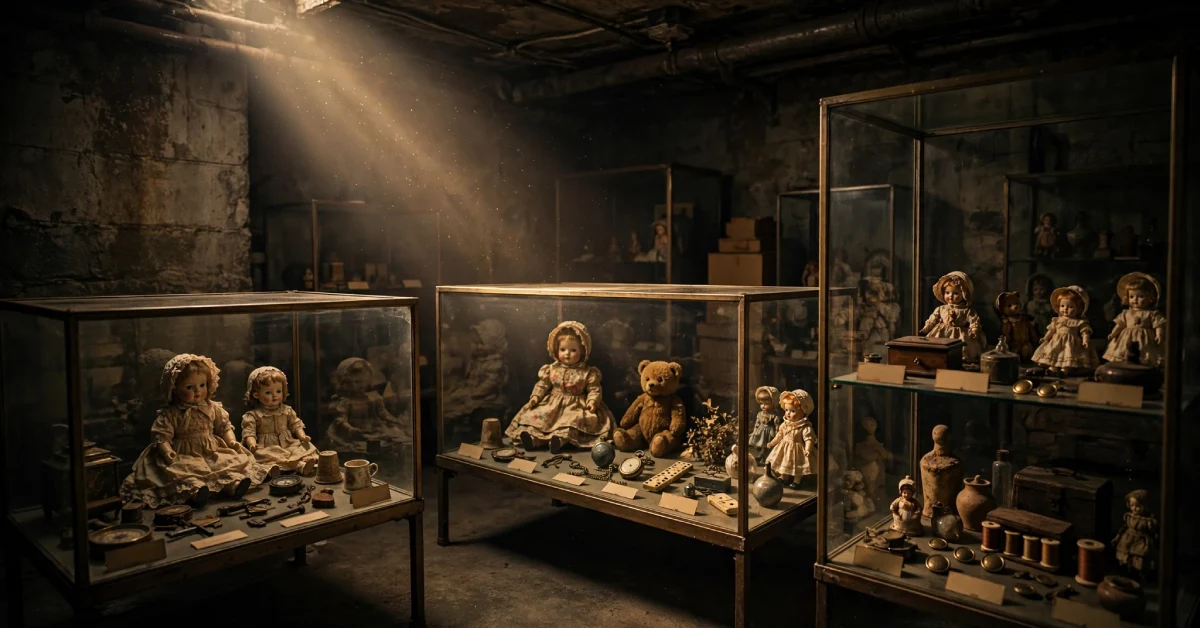
The museum began as a room in the Warrens’ own basement. Over the decades, it grew into a dense, glass-walled display of dolls, masks, weapons, and other items the couple linked to specific cases. The most famous piece is the original Annabelle doll, a Raggedy Ann-style toy the Warrens said they sealed inside a case after a 1970 case in Connecticut.
For homeowners curious about turning a private space into a themed room or collection area, the same planning questions apply that come up in any advice for restoring an older New England home: structural limits, storage, and how much of a private residence can reasonably double as a public draw.
By the 2000s, the museum drew steady tourist traffic on the strength of its film connections. That traffic is part of what eventually forced the town’s hand.
What Sits Inside the 750 Item Collection
The collection now runs to roughly 750 objects, according to reporting on the 2025 sale. Most pieces are small: dolls, masks, jewellery, and personal items the Warrens tied to specific investigations over five decades. A handful of larger pieces, including furniture and framed photographs from old cases, round out the display.
Annabelle sits inside a wooden case built by Ed Warren himself, marked with a warning not to open it. The doll’s story traces back to a 1970 case involving a nursing student in Connecticut, and it remains the single item most visitors ask about by name.
The display has always felt more like a personal archive than a formal exhibit hall, with items grouped loosely by case rather than sorted into a strict catalogue. That informal, lived-in feel is part of what longtime fans hope the new owners keep intact.
Where the Ed and Lorraine Warren House Sits

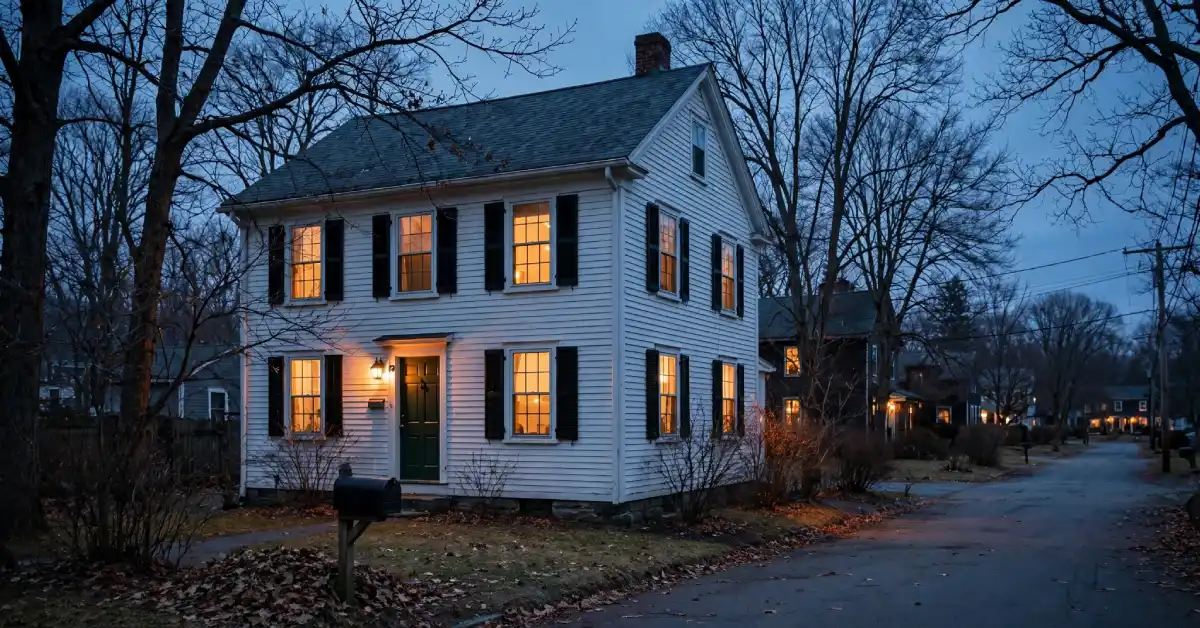
The property sits at 30 Knollwood Street in Monroe, Connecticut, a small town roughly an hour from both Hartford and New Haven. The house is a private residence set in a standard residential neighbourhood, not a commercial district.
That detail matters. A residential zoning designation does not typically allow a business to operate on site, and that single fact drove most of the legal trouble the museum faced in its later years.
Why the Museum Closed to Visitors
Monroe’s zoning board determined that a museum charging for tours could not legally run out of a home zoned for residential use. As visitor numbers grew after The Conjuring’s release, neighbours raised concerns about traffic and noise on a quiet street. The town ordered public tours to stop.
Ed Warren died in 2006. Lorraine Warren died in 2019, and stewardship of the collection passed to their son-in-law, Tony Spera, and daughter, Judy Spera. The museum stayed closed to the public through this period, though Spera continued lecturing about the Warrens’ work and bringing select items to outside events.
For roughly six years, that appointment-only, off-site model was the closest thing fans had to a visit. Online guides during this stretch often listed the museum as permanently closed, which was accurate at the time but became outdated the moment the 2025 sale changed the property’s future.
New Owners Bring the House Back
In August 2025, comedian Matt Rife and YouTube creator Elton Castee announced they had purchased the Warren property. Connecticut business filings show the sale went through an entity called Haunted Homes LLC, with Castee listed as manager, and the deal closed at 1 million dollars.
Rife described the purchase as taking over one of the most prominent properties in paranormal history. He and Castee are serving as legal guardians of the roughly 750-item collection, including Annabelle, for at least five years, while Tony and Judy Spera retain ownership of the artefacts themselves.
The purchase followed the death of Dan Rivera, the paranormal investigator who had served as Annabelle’s touring guardian, in July 2025. His passing brought new attention to the collection right as the sale talks were underway, and it left an open question about who would take responsibility for the doll’s care going forward, a question the Rife and Castee purchase answered within weeks.
Rife and Castee opened bookings for overnight stays and guided museum tours starting in September 2025 through a dedicated site. If you enjoy following how public figures take on unusual real estate projects, it is a similar story arc to another celebrity home turned into a talked-about attraction, where fame changes how a private property gets used.
Notable Cases Linked to the Warren House
The house and museum connect to several cases that shaped modern horror media:
- The Perron family farmhouse in Rhode Island, the basis for The Conjuring, where the Warrens said they documented years of disturbances tied to the property’s former owner
- The Amityville Horror case in New York, which the couple investigated shortly after the Lutz family reported their experiences in the mid 1970s
- The Annabelle doll case in Connecticut, which produced the museum’s single most recognized artifact
- The Enfield Poltergeist case in London, where the Warrens became involved partway through a British investigation already underway
- Multiple demonic possession claims the couple documented through NESPR over five decades of fieldwork.
Each case added items to the collection now stored at the Monroe property, and each one still drives search interest in the house today. Film adaptations of these cases, especially the Conjuring franchise, are the main reason casual fans first learn the Warren name, even when the movies take real liberties with the underlying case files.
Can You Visit the Warren House Today
Yes, with real limits. As of 2026, tours and overnight stays require booking through the official reservation site, and availability sells out quickly around Halloween season. Visitors should expect a guided format rather than free walk-through access, since the new owners have kept the tour structure the town’s zoning rules require.
Anyone planning a trip should treat this the same way they would research any small-town historic property, the kind of due diligence that applies to visiting any storied residential property with a public following: confirm hours, book early, and check for seasonal closures before making travel plans.
Because the property sits on a residential street, the new owners have also had to keep parking and noise limits in place, similar to the rules that closed the original museum. That means visitors should expect a controlled group size and set arrival windows rather than a drop-in attraction with open hours throughout the day.
Tips For A Warren House Visit
- Book several weeks ahead during September and October, when demand peaks
- Bring a valid ID, since overnight guests must be verified against the reservation
- Expect a limited group size on tours, not a free-roam museum floor
- Check the official booking site directly rather than third-party resale pages
- Ask about photography rules before bringing a camera into the artefact rooms
FAQs
Where is the Ed and Lorraine Warren House located?
The house sits at 30 Knollwood Street in Monroe, Connecticut, in a residential neighbourhood about an hour from both Hartford and New Haven. The town is small, so there are few other public attractions nearby beyond the property itself.
Who owns the Warren House now?
Comedian Matt Rife and creator Elton Castee purchased the property in August 2025 for 1 million dollars through an entity called Haunted Homes LLC, and now serve as legal guardians of the artefact collection for at least five years.
Is the Annabelle doll still at the house?
Yes. Annabelle remains part of the roughly 750-item collection housed at the property, under the ownership of Tony and Judy Spera and the guardianship of Rife and Castee, who are contractually responsible for its care during the guardianship period.
Can the public tour the museum in 2026?
Yes. Guided tours and overnight stays are available through booking on the official reservation site, a change from the museum’s closed status through most of the 2010s and early 2020s. Expect sold-out dates around Halloween and more openings during quieter months.
Why did the original museum close?
Local zoning rules in Monroe do not allow a commercial museum to operate inside a residential property, and rising visitor traffic after The Conjuring’s release brought that conflict to a head. The town enforced the rule rather than granting an exception, which pushed the collection into a private, appointment-limited status for years.