

Hot water rarely fails at a convenient time. A cylinder that goes cold on a Sunday night or a boiler that starts leaking onto the kitchen floor can turn an ordinary evening into a scramble for help. Knowing what to check first, when a problem can wait, and what a fair price looks like makes that situation far easier to handle.
This guide walks you through a hot water emergency step by step. You will learn how to keep yourself and your home safe, how to tell an urgent fault from one that can wait until morning, why gas work must go to a Gas Safe engineer, and what emergency repairs typically cost in the UK. We also cover how to choose an engineer and how to lower the chance of another breakdown.
Emergency Hot Water Repairs: What to Do First
Safety comes before any repair. If you smell gas, leave the property, open windows and doors if it is safe to do so, and do not operate light switches or electrical devices. From outside, call the National Gas Emergency line on 0800 111 999. Do not wait for the problem to settle on its own.
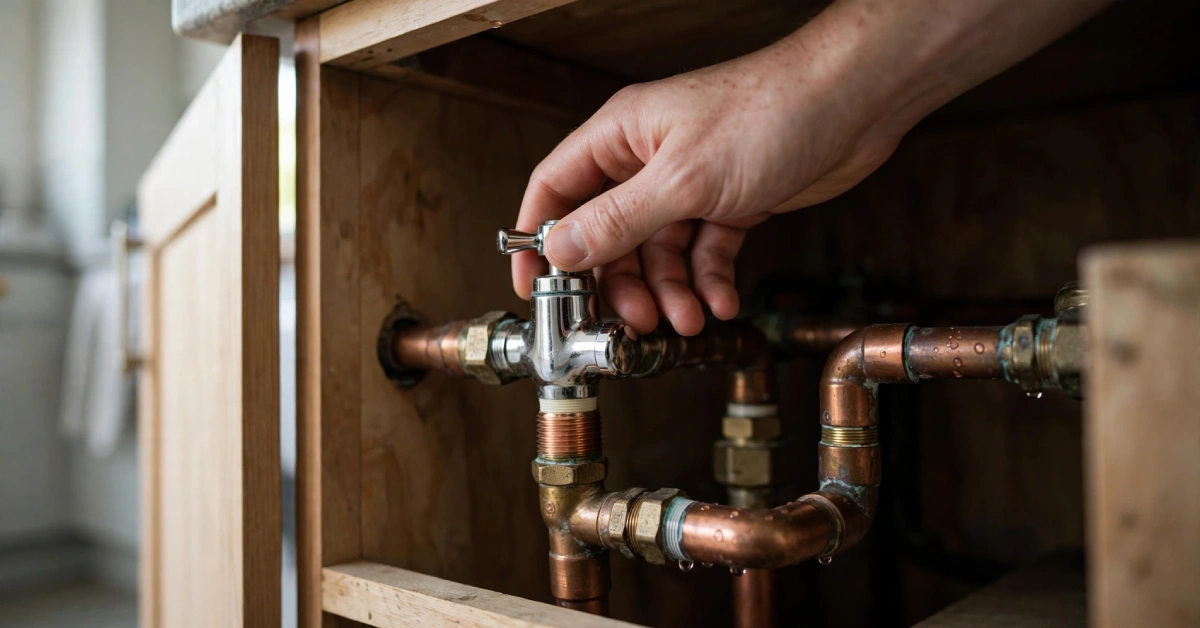
If water is leaking from a cylinder, boiler, or pipe, turn off the supply at the stopcock. In most UK homes, the stopcock sits under the kitchen sink, in a cupboard, or near the hot water cylinder. Turn it clockwise until it stops. This limits water damage while you arrange help.
Next, isolate the heat source. For an electric immersion heater, switch off the immersion supply at the consumer unit or the wall switch, depending on how your system is wired. For a gas or oil boiler, switch the boiler off at its control. If you smell gas or you are unsure about the setup, close the gas supply at the meter and leave the rest to a professional.
Once everything is safe, take a few photos of any leak, pooled water, or error code on the boiler display. Write down when the problem started and whether anything changed beforehand, such as a power cut or a recent boiler reset. This information helps the engineer diagnose the fault faster and can shorten the visit.
When you call, say that you have an emergency and describe what you see. Ask for the expected arrival window and the callout charge before the visit starts. A clear conversation at the start prevents surprises when the invoice arrives.
Signs You Need an Emergency Repair Now
Some faults cannot wait. Call for urgent help if you notice any of the following:
- No hot water or heating during cold weather, especially if young children, older adults, or people with health conditions live in the home
- Water leaking from the cylinder, boiler casing, or pressure relief valve
- A smell of gas, burning, or scorching near the boiler or immersion heater
- Boiler error codes that return straight away after a reset
- Water dripping through a ceiling below a hot water cylinder
A pressure relief valve that keeps releasing water can point to a serious fault in an unvented cylinder. Turn off the water supply, isolate the heat source, and call a qualified engineer rather than waiting for the drip to stop. Ongoing leaks rarely fix themselves, and they often spread into floors, plasterwork, and electrics.
Some emergencies look minor at first. A cylinder that has lost heat overnight may seem like a small annoyance, but a fault in the thermostat or immersion element can damage the heater if it runs dry or overheats. If the fault affects safety or water loss, treat it as urgent.
Signs a Repair Can Wait Until Morning
Some problems are inconvenient but not dangerous. A slow drop in water temperature, a gurgling or kettling noise from a cylinder, or a boiler that loses pressure once and then holds steady can usually wait for the next working day. Keep an eye on the problem and note any changes.
For boilers, check the pressure gauge against the level shown in the manufacturer’s manual. Many boilers display a range of about one to two bar when cold. If the pressure is low, follow the instructions in the manual to top it up. If it keeps falling, leave the system alone and book a routine visit, because a slow leak often needs a proper diagnosis.
Keep a simple record of when the fault appears, what the boiler or cylinder shows, and what you did to fix it. Patterns help engineers find causes faster. A note such as “lost pressure every Monday” can point straight to a particular cause, for example, a radiator valve that is leaking when the heating comes on.
Why Gas Faults Need a Gas Safe Engineer
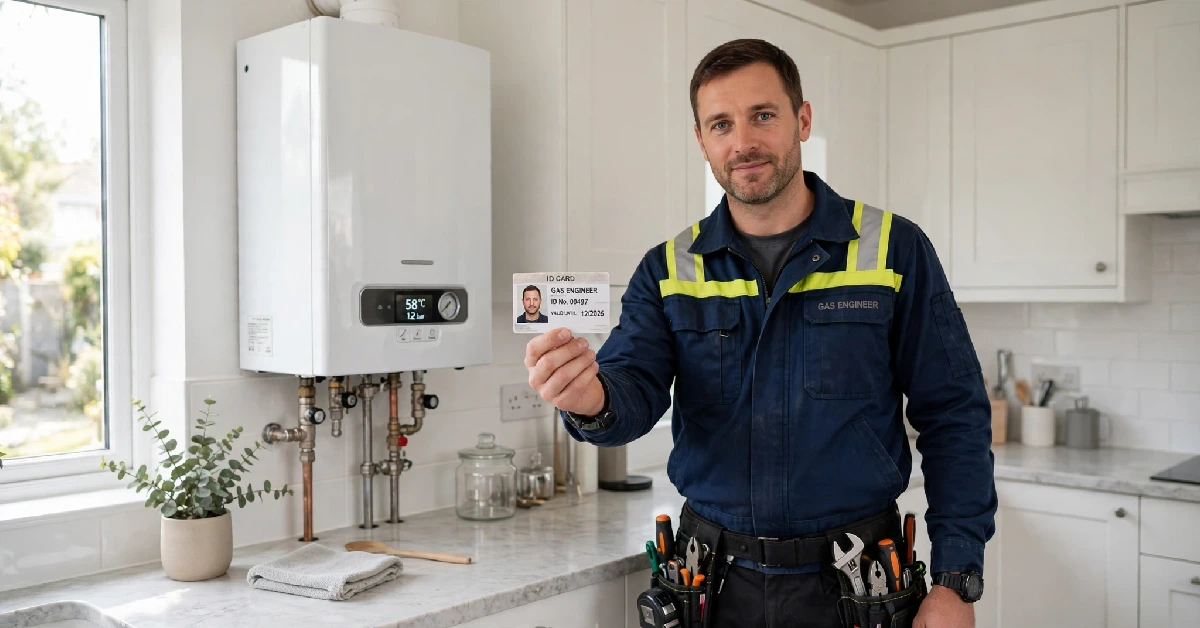
In the UK, anyone who works on gas appliances must be registered on the Gas Safe Register. This covers boilers, gas hobs, gas fires, and other gas appliances. Unregistered work can lead to gas leaks, carbon monoxide poisoning, and fire. It can also cause problems with insurance if something goes wrong later.
Check registration before the engineer starts work. Ask to see the photo ID card, and confirm the engineer’s details on the official Gas Safe Register website. Registration also shows which types of gas work the engineer is approved to carry out, so you can confirm that the person in front of you is qualified for your particular appliance.
Unvented hot water cylinders follow a different rule. Work on these systems should be carried out by a plumber with G3 qualifications, which cover the safety requirements for unvented systems. Ask for proof of this qualification before work begins, especially if the fault involves the pressure relief valve, expansion vessel, or discharge pipe.
How Much Emergency Repairs Typically Cost
Emergency work costs more than planned repairs because engineers often attend outside normal hours. Recent UK cost guides give a clear picture of what to expect, although figures vary by region and by the exact fault.
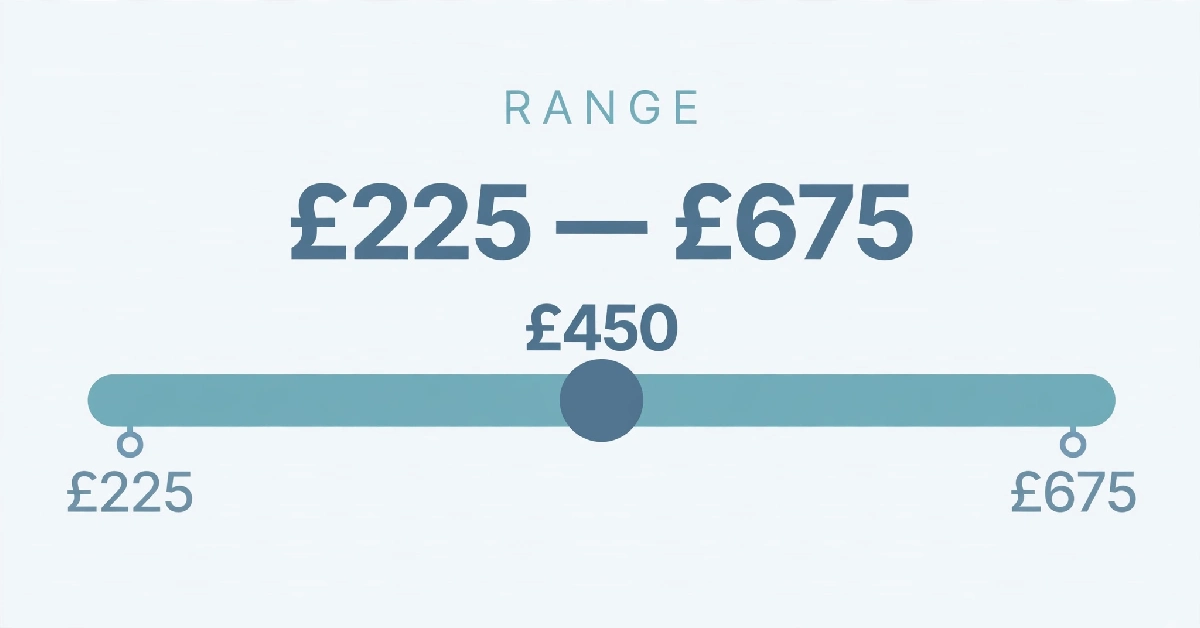
Checkatrade’s 2026 boiler repair guide puts a typical emergency boiler repair between £225 and £675, with an average close to £450. Trade2base’s 2026 rate data places a Gas Safe engineer’s day rate between £280 and £450, or about £45 to £80 per hour, before parts and any callout fee. London and the South East usually sit above these ranges.
Cylinder costs depend heavily on the scope of work. Some 2026 estimates place a simple cylinder fault, such as a faulty thermostat or immersion element, at £100 to £250. If the emergency means the cylinder needs replacing, Whito’s 2026 pricing puts a supplied and fitted unvented cylinder between £900 and £3,500. Those two figures describe very different jobs, so ask the engineer which one applies to your system.
Always ask for an itemised quote that shows labour, parts, and any callout or out-of-hours charges. Compare the repair cost with the age of your system. If the unit is old and the repair is expensive, a replacement may give better value over the next few years.
Choosing the Right Emergency Engineer
Speed matters during an emergency, but quality matters just as much. A quick fix that fails a week later costs more than one careful visit. Use this checklist when you call a firm:
- Gas Safe registration for any gas work
- G3 qualification for unvented hot water cylinders
- Public liability insurance
- A written quote with labour, parts, and callout fees listed separately
- Recent reviews from customers in your area
Ask whether the engineer can complete the repair on the first visit or whether they need to order parts. A clear answer helps you plan for the time without hot water and set a realistic budget. Be cautious of any firm that asks for full payment before diagnosing the fault.
Compare at least two quotes when time allows. Even during an emergency, a short phone call with two firms can reveal large differences in price and availability. Avoid rushing into a decision based only on the first available slot.
Preventing the Next Emergency Breakdown
Most emergencies give warning signs first. A boiler that takes longer to heat up, a radiator that stays cold at the bottom, or a cylinder that makes unusual noises often signals a problem that will get worse. Acting early is cheaper than waiting for a full breakdown.
An annual boiler service with a Gas Safe engineer keeps components clean and checks safety controls. Checkatrade’s 2026 guide puts a typical boiler service at around £80 to £120. Many people who skip the service end up paying far more for an emergency visit later in the year.
Water damage often starts small. Leak detection devices can alert you to moisture near a cylinder, boiler, or pipework before a small drip turns into a ceiling stain. Our guide to home monitoring devices explains which options suit a typical UK home and how to place them.
Keep the area around the cylinder and boiler clear. Store items away from the boiler and check that vents and flues are not blocked. If your system is more than ten years old, budget for replacement as it approaches the end of its expected life, so you are not forced into an unplanned purchase on a cold weekend.
FAQs
Is a hot water cylinder fault always an emergency?
Not always. A cylinder that runs cold but has no leak or safety concern can usually wait for a normal appointment. Treat the fault as urgent if you have no hot water in a home with young children, older adults, or vulnerable residents, especially during winter. If you are unsure, ask an engineer to assess the problem first.
How quickly can an emergency engineer arrive?
Response times depend on your area, the time of day, and how busy the engineer is. Many firms offer same-day or next-day visits for urgent faults. When you book, ask for an estimated arrival window so you can plan around it.
Can I fix a boiler leak myself?
You can turn off the water supply and isolate the boiler or immersion heater safely. Beyond that, leave the repair to a qualified engineer. Gas work must be carried out by a Gas Safe registered engineer, and attempting unqualified repairs can put your household at risk.
Should I repair or replace an old system?
Compare the repair quote with the cost of a new unit and the expected remaining life of your system. If the same fault keeps returning, or if the cost of repair approaches the price of a replacement, a new unit often gives better value. Ask your engineer to explain the trade-offs for your specific system.