

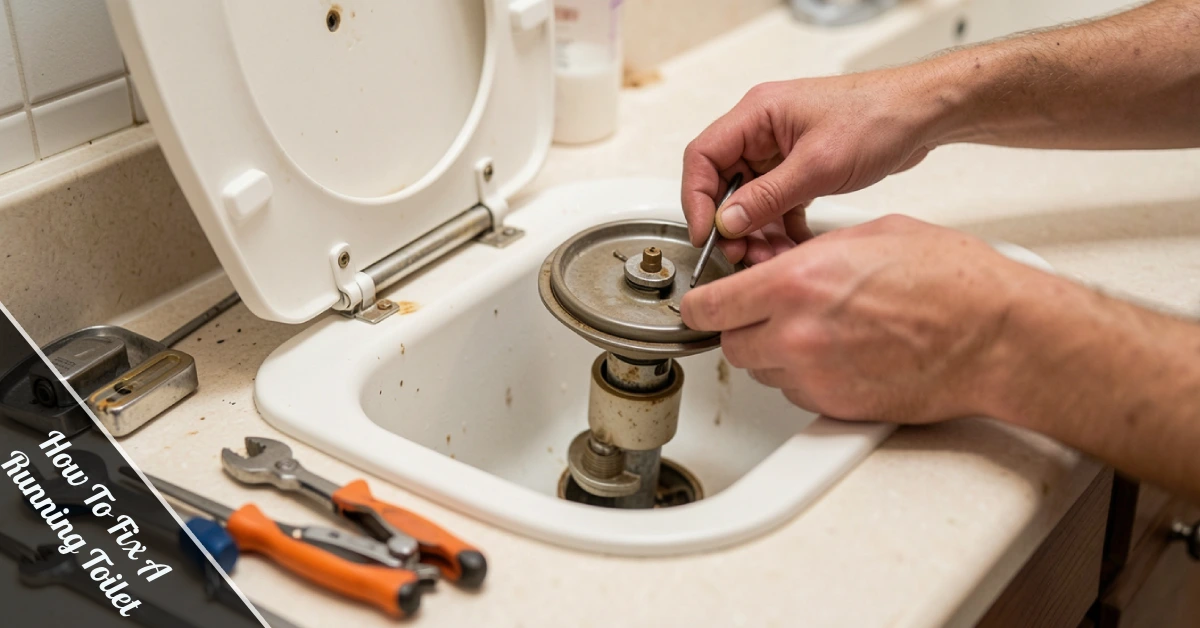
That constant trickling sound. The random refilling every few minutes. The creeping dread as your water bill climbs higher than your morning coffee budget.
A running toilet isn’t just annoying—it’s quietly draining your wallet. But here’s the good news: how to fix a running toilet is way simpler than you think. Most fixes take minutes, not hours, and cost less than your weekly takeout order.
Let’s get your bathroom back to peaceful silence.
Why Your Running Toilet Is Costing You More Than You Think
Look, ignoring that drip-drip-drip might seem harmless. But a toilet that won’t shut up can waste hundreds of gallons weekly. That’s not just water—it’s money flushing itself away.
Beyond the bill shock, constant running wears out your toilet’s internals faster. The fill valve, flapper, seals—they’re all working overtime. What starts as a simple fix can snowball into expensive repairs if you wait too long.
Plus, hidden moisture around the base. That’s a one-way ticket to Mold City. Not exactly the vibe you want in your bathroom.
The Quick Diagnostic: Match Your Symptom to the Fix
Before you dive in, let’s figure out what’s actually wrong. Here’s your cheat sheet:
| Problem | Common Cause | Quick Fix |
|---|---|---|
| The toilet runs nonstop | Faulty flapper | Clean or replace the flapper |
| Water spills into the overflow tube | High water level | Lower the float setting |
| Random refilling sounds | Slow tank leak | Check the flapper seal |
| Weak flush with running water | Flush valve issue | Inspect the flush assembly |
| Button flush keeps running | Stuck push-button mechanism | Adjust button rods |
| The tank won’t stop filling | Broken fill valve | Replace the fill valve |
How To Fix A Running Toilet: Your Step-by-Step Game Plan
Learning how to fix a running toilet starts with understanding what’s happening inside that porcelain throne. Most issues live in the tank, where a handful of simple parts control the water flow.
When one component slips up, water keeps moving when it should stop. The culprit is usually a worn flapper, misadjusted float, faulty fill valve, or tangled flush chain.
Step 1: Inspect the Tank Like a Pro
Before you start wrenching around, turn off the water supply valve behind the toilet. Rotate it clockwise until the flow stops.
Now, lift that tank lid carefully—porcelain cracks easier than your New Year’s resolutions. Set it somewhere safe and flat.
Inside, you’ll spot the main players:
- Fill valve (controls incoming water)
- Overflow tube (stands vertical, center tank)
- Flapper (rubber seal at the bottom)
- Chain (connects flapper to handle/button)
Look for tangled chains, mineral buildup, worn seals, or water spilling into the overflow tube. This intel tells you where to focus.
Step 2: Adjust the Water Level
If water’s spilling into the overflow tube, your tank’s overfilled. Simple fix.
The float controls this—older toilets use a ball on a metal arm, newer ones have a floating cup sliding up the fill valve. As water rises, the float signals when to shut off.
Find the adjustment screw or clip on the float assembly. Turn it slightly until water sits about half an inch below the overflow tube top. That small tweak often stops the running immediately.
Step 3: Fix the Flapper (The Usual Suspect)
The flapper is your toilet’s bouncer—it’s supposed to seal the exit after each flush. When it’s warped, cracked, or grimy, water leaks through and keeps the tank refilling.
Signs of a bad flapper:
- Random refilling every few minutes
- Continuous running after flushing
- Visible cracks or warping
First, try cleaning. Mineral deposits love collecting around the flapper and flush valve seat. Shut off the water, flush to empty the tank, and wipe everything down with a sponge.
If it’s still leaking or looks damaged, replacement time. Unhook the old flapper from the overflow tube pegs, disconnect the chain, and snap in a matching replacement. Leave a bit of slack in the chain—too tight keeps it from sealing properly.
Step 4: Sort Out the Flush Chain
This tiny chain causes surprisingly big headaches. Too tight? It keeps the flapper slightly open. Too loose? It tangles underneath or won’t lift properly.
Reconnect the clip to a different hole on the flush lever rod until you’ve got just a small amount of slack when the flapper’s closed. The chain should move freely without pulling or hanging like a sad necklace.
Trim any excess length to prevent future tangling.
Step 5: Tackle the Fill Valve
When the fill valve goes rogue, water keeps running even when the tank looks full. You might hear hissing or see a constant flow into the overflow tube despite proper float adjustment.
Sometimes mineral buildup is the villain. Shut off water, remove the valve cap per manufacturer instructions, and rinse away debris.
If cleaning doesn’t work, replace it. Empty the tank, disconnect the water supply line beneath, remove the old locknut, lift out the valve, and install a compatible replacement. Reconnect everything, turn the water back on, and test several flushes.
Modern Toilets: Button Flush & Flapperless Systems
Not all toilets play by the old rules. Dual-flush and button flush models use different internals, and they’ve got their own quirks.
Button Flush Troubleshooting
When push-buttons fail to reset completely, they keep the internal seal partially open. Water leaks continuously into the bowl.
Adjust the push-button rods or reset the flush mechanism. Sometimes you just need to clean around the sealing surfaces to remove debris interfering with closure.
Check your toilet model’s instructions—manufacturers vary on the exact adjustment method.
Flapperless System Fixes
Some newer toilets use tower-style flush mechanisms instead of traditional rubber flappers. These lift vertically during flushing.
When they fail, seals inside the flush tower wear out or misalign. Mineral buildup can also gum up smooth movement.
Repair involves cleaning the tower assembly, replacing worn seals, or adjusting per the manufacturer’s instructions: different look, same DIY-friendly vibe.
Common Mistakes That Make Things Worse
Even simple repairs can go sideways if you’re not careful. Here’s what to avoid:
Overtightening plastic parts – Cracks fittings and damages threads faster than you can say “plumber.”
Wrong replacement flapper – Toilets use different flush valve sizes. Grab the correct model, or that leak isn’t going anywhere.
Ignoring small leaks – They gradually damage other components. That “minor” drip becomes a major headache.
Incorrect float adjustments – Can cause overflow problems instead of solving them.
Mixing incompatible parts – Different brands don’t always play nice. Stick with matching components.
When to Replace Instead of Repair
Sometimes you’ve gotta know when to fold ’em. If your toilet keeps running despite multiple adjustments, replacement is the better option than temporary fixes.
Replace parts when:
- Rubber seals are brittle, cracked, or misshapen
- Plastic components weaken with age
- Repairs become frequent
- Multiple parts fail simultaneously
- Older hardware is less efficient than newer water-conserving options
Fresh components restore reliable operation and cut future maintenance. Your future self will thank you.
Maintenance Tips to Prevent Future Running
Prevention beats cure every time. Here’s your maintenance game plan:
Check inside the tank every few months – Catch worn parts early before they become emergencies.
Clean mineral deposits regularly – Hard water buildup is the leading cause of flapper and valve problems. A quick wipe-down keeps things moving smoothly.
Inspect chains, floats, and seals periodically – Look for wear or misalignment. Replace aging rubber seals before they fail.
Test the flush mechanism – Make sure everything moves freely without sticking.
Simple preventive care keeps your toilet efficient and your water bill reasonable. Plus, you avoid those 2 AM plumbing crises nobody signed up for.
Quick Reference: Tools & Parts You’ll Need
| Repair Type | Tools Needed | Parts Required |
|---|---|---|
| Flapper replacement | Sponge/cloth | Replacement flapper |
| Water level adjustment | None (hands only) | None |
| Chain adjustment | Scissors (if trimming) | None |
| Fill valve replacement | Adjustable wrench | New fill valve, supply line |
| Flush system repair | Basic toolkit | Universal flush kit |
Most of this stuff costs less than a dinner date. Keep spare flappers and fill valves on hand—they’re cheap insurance against future headaches.
The Bottom Line
Mastering how to fix a running toilet saves water, slashes utility bills, and prevents small problems from becoming expensive disasters. Most repairs involve simple adjustments or swapping inexpensive parts like the flapper, fill valve, or flush chain.
You don’t need to be a plumbing wizard. Basic tools, a little patience, and knowing what to look for get you 90% of the way there. The key is identifying the exact cause before replacing parts unnecessarily.
Inspect your toilet regularly. Address leaks early. Keep it running smoothly. Your wallet—and the planet—will appreciate it.