

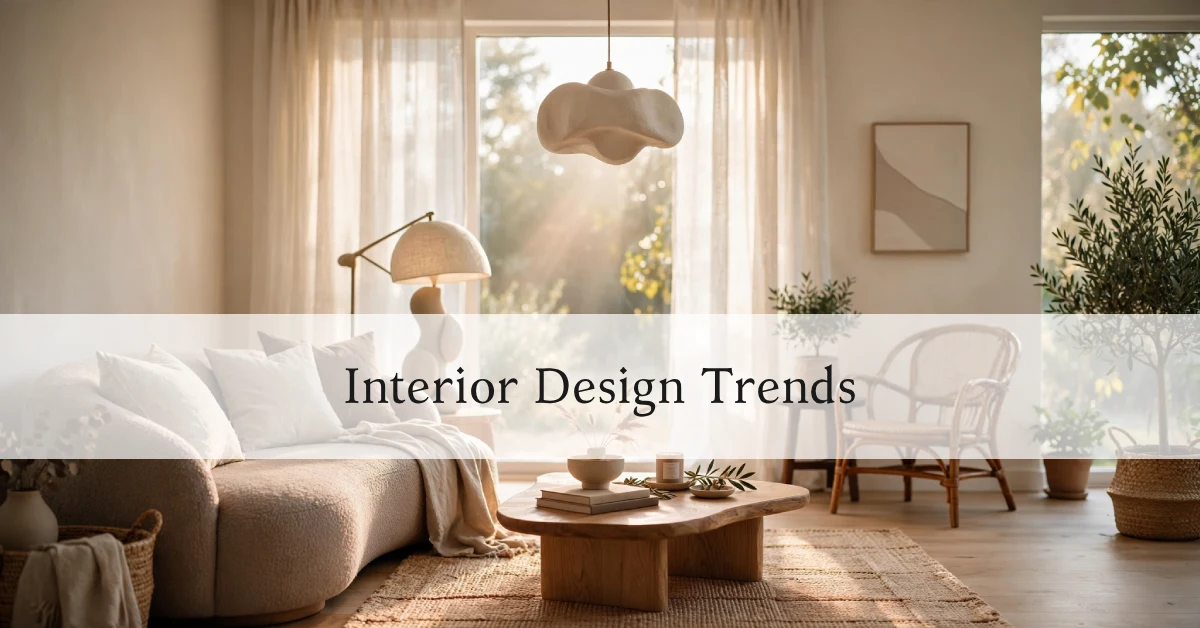
A home should work for the people living in it, not just look good in photos. That’s the tension behind most design decisions right now. People want spaces that feel current, but they’re tired of ripping things out two years later because a trend faded.
Design trends shift because life shifts. More people work from home. Households want rooms that flex between functions. There’s more attention on materials, wellness, and how a space actually feels to spend time in, not just how it photographs.
This guide walks through what’s shaping homes this year, the styles behind those choices, and how to tell a fad from a change worth making. The goal is simple: help you choose updates that still feel right five years from now.
What Are Interior Design Trends?
Interior design trends are shifts in how people want their homes to look, feel, and function, shaped by culture, technology, and changing daily habits. They show up in colour choices, material preferences, layout ideas, and even how much furniture a room can comfortably hold.
How Interior Design Trends Influence Modern Homes
Trends shape what’s available at furniture stores, what contractors recommend, and what shows up in new home builds. A shift toward open shelving or matte black fixtures doesn’t happen in isolation. It ripples through manufacturing, retail, and renovation decisions for years.
Trendy vs. Timeless Design: What’s the Difference?
Trendy design responds to the current moment. It might be a specific colour, pattern, or furniture silhouette that feels fresh right now but won’t age well. Timeless design leans on proportion, quality materials, and neutral foundations that stay relevant regardless of what’s popular.
The easiest way to think about it: trends are the accessories, timeless choices are the bones. Paint colours and throw pillows can change often. Flooring, cabinetry, and layout should be chosen to last.
How to Choose Trends That Match Your Lifestyle
Ask how you actually use a space before committing to a look. A family with young kids needs different materials and layouts than a couple who entertain often. Choose trends that solve a real problem in your home, not ones you saw once and liked.
The Biggest Interior Design Trends This Year
Wellness-Centered Living Spaces
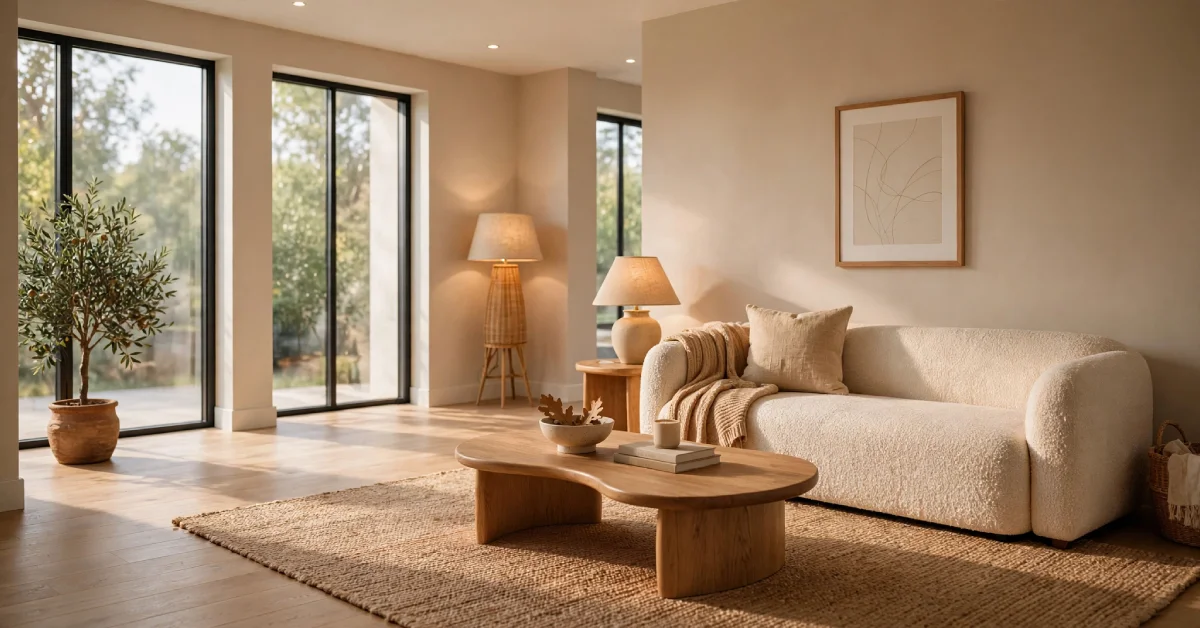
Homes are being designed with mental and physical well-being in mind. That means more natural light, quiet corners for reading or meditation, and layouts that reduce clutter and visual noise.
Personalised and Meaningful Interiors
Cookie-cutter design is losing ground to spaces filled with objects that mean something. Family heirlooms, travel finds, and handmade pieces are showing up more often than mass-produced decor.
Sustainable and Eco-Friendly Design
Homeowners are asking more questions about where materials come from. Reclaimed wood, low-VOC paints, and durable pieces built to last are replacing disposable, fast-furniture choices.
Natural Materials and Organic Textures
Stone, wood, rattan, and linen are showing up across every room. These materials bring warmth and texture that synthetic finishes can’t fully replicate.
Warm Neutral Colour Palettes with Bold Accents
Stark white walls are giving way to warmer neutrals like clay, sand, and soft taupe. These palettes create a calm base, with bolder colours reserved for accent pieces like art, pillows, or a single statement wall.
Layered Lighting for Ambience
A single overhead fixture no longer carries a room. Homeowners are layering ambient, task, and accent lighting to create depth and adjust mood throughout the day.
Flexible Multi-Purpose Rooms
Guest rooms double as home offices. Dining tables serve as workstations. Furniture that adapts to multiple uses is a direct response to smaller living spaces and hybrid work schedules.
Handmade and Artisan Craftsmanship
There’s growing interest in furniture and decor made by skilled makers rather than mass production. These pieces cost more upfront but often outlast trend-driven alternatives.
Popular Interior Design Styles
Minimalist Interior Design
Minimalism focuses on clean lines, limited colour palettes, and only the furniture a room truly needs. The goal is calm, not empty.
Organic Modern Style
This style blends minimalist structure with natural materials and curved forms. Think clean-lined furniture paired with linen textiles and wood accents.
Scandinavian Design
Scandinavian interiors favour light wood, soft neutrals, and functional furniture. Comfort and simplicity guide every choice.
Japandi Interiors
Japandi merges Japanese minimalism with Scandinavian warmth. The result is understated, calm, and built around quality over quantity.
Contemporary Design
Contemporary style reflects whatever is current right now, blending clean lines with occasional bold shapes or materials. It shifts more than most other styles.
Farmhouse Style
Farmhouse design leans on shiplap, warm wood tones, and vintage-inspired fixtures. It’s softened in recent years, moving away from the heavily rustic look popular a decade ago.
Transitional Design
Transitional interiors combine traditional furniture shapes with modern finishes. It’s a middle ground for homeowners who don’t want to commit fully to one style.
Maximalist Interiors
Maximalism embraces pattern, colour, and layered decor. Done well, it feels curated rather than cluttered.
Mixing Vintage and Modern Elements
Pairing a vintage rug or antique dresser with modern furniture adds character that fully new spaces often lack. This mix keeps a room from feeling like a showroom.
Room-by-Room Interior Design Trends
Living Room Trends: Cosy and Comfortable Seating
Deep, plush sofas are replacing rigid, formal seating. Comfort is taking priority over strict symmetry.
Gallery Walls and Personalised Decor
Curated collections of art and photos are replacing single large statement pieces, giving rooms a more personal feel.
Statement Lighting Fixtures
Oversized pendants and sculptural lamps are becoming focal points rather than afterthoughts.
Built-In Shelving and Storage
Custom shelving adds storage without shrinking usable floor space, especially in smaller living rooms.
Kitchen Trends
Natural Wood Cabinetry
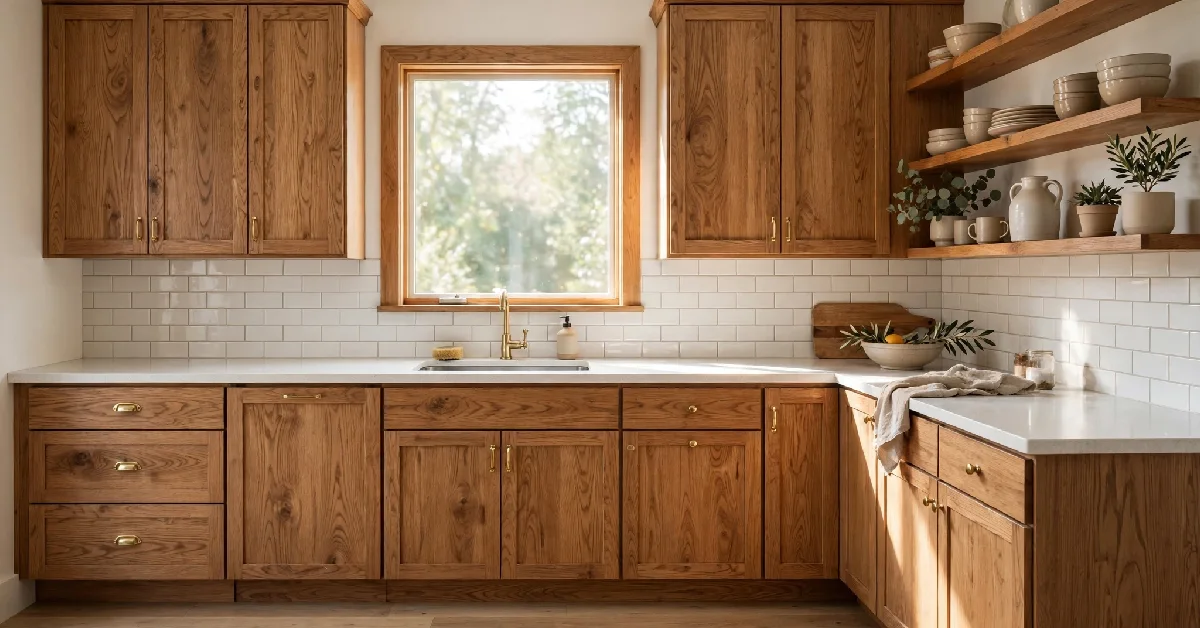
Wood tones are replacing the all-white kitchen look many homes have had for the past decade.
Hidden Storage Solutions
Appliance garages and pull-out pantries keep counters clear without sacrificing function.
Furniture-Style Cabinets
Cabinets with decorative legs and unique hardware are making kitchens feel less clinical and more like furnished rooms.
Farmhouse Sinks
Deep, apron-front sinks remain popular for their practicality and classic look.
Coffee and Beverage Stations
Dedicated counter space for coffee or drinks is becoming a standard request in kitchen remodels.
White Kitchens vs. Wood Kitchens
White kitchens still photograph well and suit resale value, but wood tones are gaining ground for their warmth and lower maintenance appearance.
Subway Tile Backsplashes
Classic subway tile remains a safe, timeless choice, though larger format tiles are gaining popularity for a cleaner look.
Bedroom Trends
Soft Colour Schemes
Muted greens, warm beiges, and soft blues are replacing high-contrast bedroom palettes.
Textured Bedding and Fabrics
Bouclé, linen, and knit textures are adding depth to bedrooms without relying on pattern or colour.
Relaxing Wellness-Focused Spaces
Bedrooms are being designed as retreats, with blackout curtains, soft lighting, and minimal clutter supporting better sleep.
Bathroom Trends
Spa-Inspired Designs
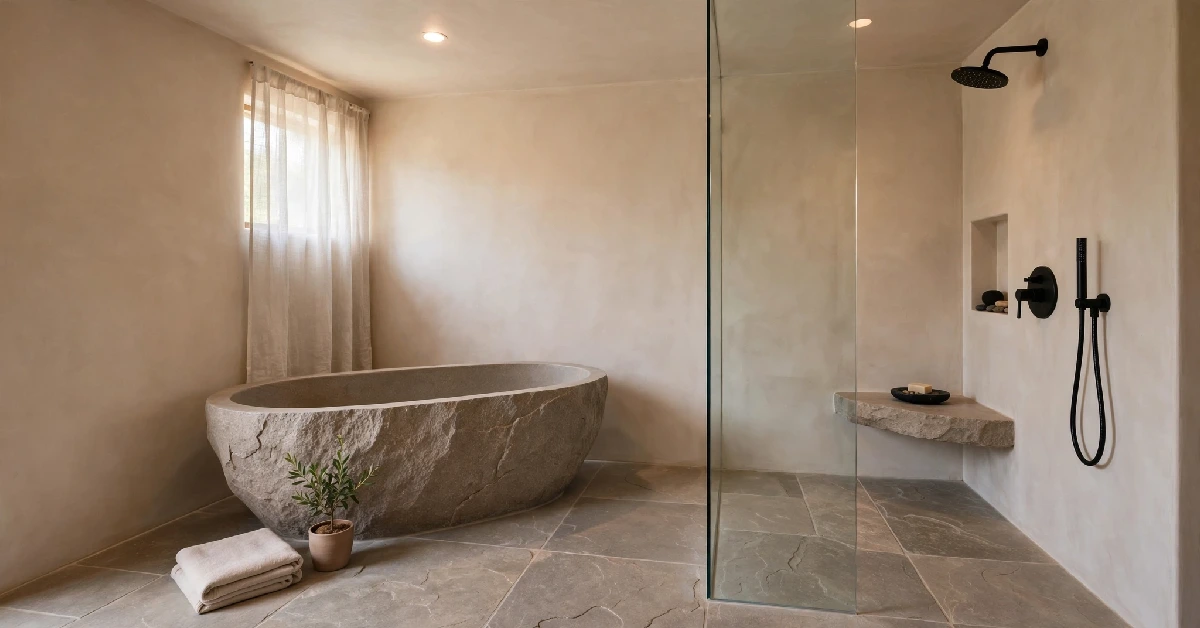
Natural stone, soft lighting, and simplified layouts are turning bathrooms into calmer, less clinical spaces.
Handheld Showerheads
Flexible, handheld showerheads are being added for practicality, especially in households with kids or pets.
Smart Storage Solutions
Recessed niches and built-in cabinetry keep bathroom counters clear and functional.
Home Office Trends
Functional Workspaces
Home offices are being designed around real work needs, including proper desk space and cable management, not just aesthetics.
Comfortable Ergonomic Furniture
Ergonomic chairs and adjustable desks are becoming standard rather than optional upgrades.
Natural Lighting
Positioning desks near windows is a simple change that improves both mood and productivity.
Trending Colours, Materials, and Finishes
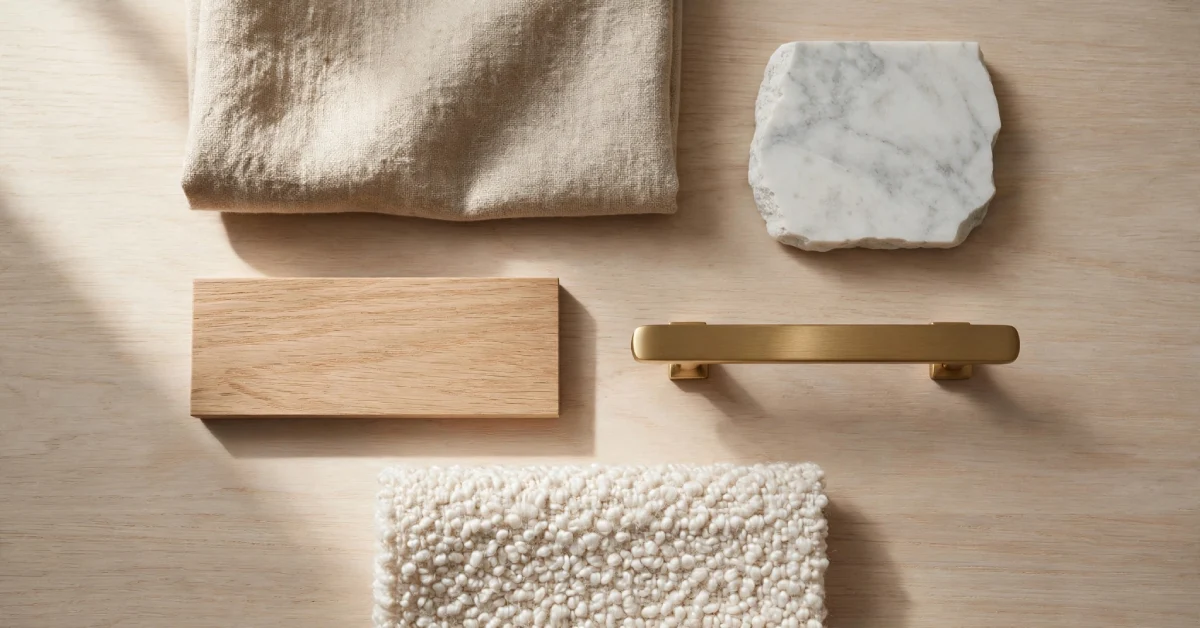
Warm Neutrals like sand, grey, and soft ivory are replacing cooler, starker neutrals.
Earthy Tones
Terracotta, olive, and rust are showing up as accent colours in textiles and accessories.
Natural Wood Finishes
Lighter and mid-tone woods are being used across flooring, cabinetry, and furniture for a warmer overall feel.
Stone and Marble Accents
Natural stone is being used in smaller doses, like countertops or accent tables, rather than covering entire rooms.
Mixed Metals
Combining brass, matte black, and brushed nickel within one space is now considered intentional rather than mismatched.
Linen, Bouclé, and Textured Fabrics
These fabrics add visual interest without needing bold colour or pattern.
Matte and Soft Finishes
Matte black and brushed finishes are replacing glossy, high-shine surfaces in fixtures and hardware.
Furniture Trends That Define Modern Interiors
Curved Furniture
Rounded sofas, chairs, and tables are softening interiors that once leaned heavily on sharp, angular shapes.
Modular Furniture
Sectionals and modular pieces let homeowners reconfigure a room as their needs change.
Multifunctional Pieces
Ottomans with storage, extendable tables, and daybeds that double as guest beds are addressing smaller living spaces.
Bespoke and Handmade Furniture
Custom and handmade pieces are gaining interest from homeowners who want furniture that isn’t found in every other house.
Heirloom-Quality Investments
Rather than buying furniture built to last a few years, more people are investing in fewer, higher-quality pieces meant to last decades.
Flooring and Wall Design Trends
Hardwood vs. Laminate Flooring
Hardwood remains the preferred choice for resale value and durability, while laminate offers a budget-friendly alternative with improved realism in newer products.
Linoleum Makes a Comeback
Linoleum is returning in kitchens and bathrooms thanks to its durability, affordability, and improved design options.
Wall-to-Wall Carpeting
Carpeted bedrooms are regaining popularity for comfort, after years of hardwood dominating every room.
Wood Paneling
Vertical and horizontal wood panelling is being used to add texture to accent walls without relying on paint or wallpaper.
Painted Brick and Painted Wood
Painting existing brick or wood surfaces is a lower-cost way to update a room’s tone without a full renovation.
Wallpaper and Accent Walls
Wallpaper is being used more selectively, often on a single wall, to add pattern without overwhelming a space.
Open Floor Plans: Are They Still Worth It?
Advantages of Open-Concept Living
Open layouts support natural light, easier entertaining, and a sense of spaciousness in smaller homes.
Potential Drawbacks
Open plans can lack privacy, make noise control difficult, and limit dedicated space for focused work or quiet time.
Alternatives for Modern Homes
Some homeowners are choosing partial separation, like sliding doors or half-walls, to get the benefits of an open layout while keeping some division between spaces.
Smart Home Features in Interior Design
Smart Lighting
Programmable lighting systems let homeowners adjust brightness and colour temperature without visible switches or clutter.
Integrated Appliances
Built-in and panelled appliances are blending into cabinetry for a more seamless kitchen look.
Hidden Technology
Speakers, chargers, and screens are being tucked into furniture and walls to reduce visual clutter.
Energy-Efficient Solutions
Smart thermostats and efficient lighting are being chosen for both convenience and long-term savings.
Interior Design Trends That Never Go Out of Style
Neutral Colour Schemes
Neutral bases give homeowners the flexibility to update accent colours without repainting entire rooms.
Quality Craftsmanship
Well-built furniture and finishes hold their value and appearance far longer than trend-driven, low-cost alternatives.
Natural Materials
Wood, stone, and natural fibres have remained relevant across decades of shifting design trends.
Functional Layouts
A layout that supports how people actually move through and use a space will always outlast any specific style choice.
Classic Tile and Cabinet Designs
Simple, classic tile patterns and cabinet styles tend to age better than highly specific, trend-driven choices.
Interior Design Trends Losing Popularity
Overused Design Elements
Barn doors, all-grey palettes, and heavily distressed farmhouse decor have become less popular after years of oversaturation.
Trends That Date a Home Quickly
Highly specific trends tied to a single moment, like certain accent wall colours or short-lived furniture shapes, tend to date a home faster than neutral, flexible choices.
When to Avoid Following Fads
Skip a trend if it requires a permanent, costly change and only appeals to you because it’s currently popular rather than because it fits how you live.
Budget-Friendly Ways to Refresh Your Home
Affordable Decorating Ideas
New throw pillows, updated lighting, and rearranged furniture can shift a room’s feel without a major budget.
DIY Home Updates
Painting cabinets, updating hardware, or adding peel-and-stick backsplash are manageable weekend projects with a real visual payoff.
Small Changes That Make a Big Difference
Swapping outdated light fixtures or adding a statement mirror often has more visual impact than people expect for the cost involved.
Where to Invest and Where to Save
Invest in items that see daily use and heavy wear, like sofas, mattresses, and flooring. Save on decor items that are easy and inexpensive to swap later.
Common Interior Design Mistakes to Avoid
Prioritising Style Over Function
A beautiful room that doesn’t work for daily life will eventually feel frustrating, no matter how well it photographs.
Ignoring Scale and Proportion
Furniture that’s too large or too small for a room throws off the entire balance of a space.
Poor Lighting Choices
Relying on a single overhead light source often leaves rooms feeling flat and uninviting.
Overcrowding a Space
Too much furniture or decor can make even a large room feel cramped and chaotic.
Choosing Short-Lived Trends
Committing to a highly specific trend for permanent features, like flooring or cabinetry, often leads to costly updates a few years later.
Expert Tips for Creating a Stylish and Functional Home
Blend Trends with Timeless Design
Use trends for easily changeable elements like paint, textiles, and decor. Keep permanent features neutral and classic.
Focus on Comfort and Practicality
A home should feel good to live in, not just look good in photos. Prioritise comfort in furniture and layout decisions.
Plan Before Renovating
Take time to plan a full room or home update before starting, rather than making piecemeal changes that don’t work together.
Invest in Quality Over Quantity
Fewer, well-made pieces typically outperform a larger volume of lower-quality furniture and decor over time.
Conclusion
The strongest homes right now blend current trends with choices built to last. Warm neutrals, natural materials, and flexible layouts are shaping how people design their spaces, but the real goal hasn’t changed: a home that feels comfortable, functional, and true to the people living in it.
Choose trends that solve a real problem in your space, and save permanent investments for timeless, quality choices. That combination will keep your home feeling current for years, not just for one season.
If you’re ready to plan your next update, start with the rooms you use most and build from there.
FAQs
What are the latest interior design trends?
Current trends include wellness-focused layouts, warm neutral palettes, natural materials, and flexible multi-purpose rooms.
Which interior design style is the most popular?
Organic modern and Japandi styles are among the most requested right now, blending minimalism with warmth and natural texture.
Are open floor plans going out of style?
Open floor plans remain popular, but many homeowners are adding partial separation, like sliding doors, to balance openness with privacy.
Is minimalism still in trend?
Yes, though it’s evolved into a softer, warmer version that includes more texture and natural materials than earlier strict minimalist looks.
What colours are trending for home interiors?
Warm neutrals like sand and clay are leading, paired with earthy accent tones like terracotta and olive.
How can I make my home look modern on a budget?
Update lighting, hardware, and textiles first. These changes offer strong visual impact without the cost of a full renovation.
Which interior trends increase property value?
Neutral colour palettes, quality flooring, and updated kitchens and bathrooms tend to offer the best return on investment.
What furniture styles are currently trending?
Curved silhouettes, modular sectionals, and multifunctional pieces are leading current furniture trends.
What materials are popular in modern interiors?
Natural wood, stone, linen, and bouclé are the most requested materials across furniture and finishes right now.
How do I choose timeless interior design trends?
Focus on quality, neutral colour, and proportion for permanent features, and save trend-driven choices for easily changeable decor.