

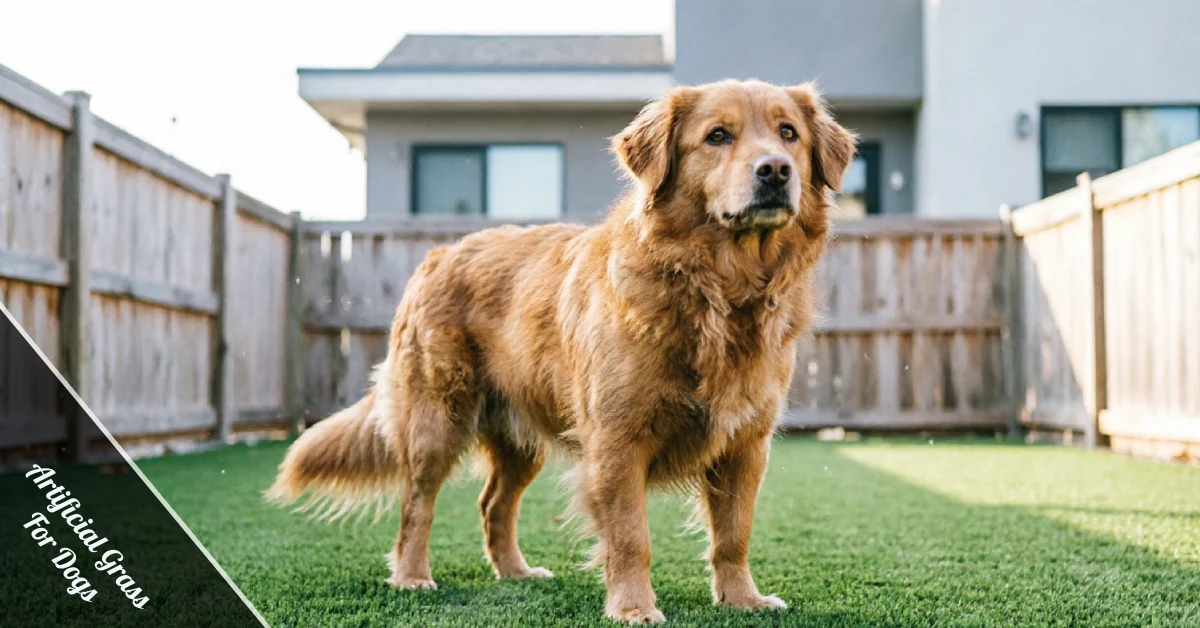
Real grass and dogs don’t always mix well. Muddy paws and dead patches show up fast, and so do random mushrooms popping up overnight after a wet week. Artificial grass for dogs skips most of that mess entirely.
It stays green, stays flat, and doesn’t care how many laps your dog runs. There’s no mowing, no reseeding bare spots, and no guessing why one corner of the yard keeps dying.
More owners are switching because the upkeep is so much lighter than natural lawn care. You’re not fighting weeds or muddy trails every time it rains outside. Artificial grass for dogs gives you a yard that looks good without constant weekend work.
It also holds up better under constant use. A dog running the same path daily will wear real grass down to dirt within a season or two.
Safety Considerations to Check First
Not every turf product is dog-safe, so don’t assume they all match. Look for lead-free materials and a pet-safe certification listed on the product page before buying anything.
This step matters more than color or price when you’re picking artificial grass for dogs. A cheap product without safety testing can expose your dog to chemicals over time.
Heat is another factor people forget about until summer hits. Dark synthetic turf gets hot fast in direct sun, and paw safety depends on both turf type and shade coverage.
Lighter colored blades and shaded planting areas keep surface temperatures lower for your dog. Some newer products use cooling technology built directly into the fiber itself.
Check the backing quality too, since that affects long-term safety. A secure, well-installed edge stops digging dogs from pulling up corners and chewing on exposed material underneath.
This keeps your dog safe and keeps the turf looking neat for years. Loose edges are usually the first thing to fail on a poorly installed lawn.
Drainage and Odor Control That Actually Works
Drainage is the single biggest factor in artificial grass for dogs that actually holds up. A flow-through or permeable backing lets urine pass straight through instead of pooling on the surface.
Standing water on turf leads to smells within days, not weeks. That’s the fastest way to ruin an otherwise good installation for pet owners.
Underneath that backing, a proper base matters just as much as the turf itself. Crushed stone or compacted aggregate under the surface carries liquid away and prevents pooling below.
Skip this step during installation, and even expensive turf will start smelling within weeks of regular use. The base is not optional if dogs are using the space daily.
Infill choice noticeably affects odor control results. Zeolite infill absorbs ammonia and cuts smell compared to plain silica sand or decomposed granite alternatives.
Many pet owners pair zeolite with an occasional enzyme cleaner for extra backup against tough odors. The combination handles most household situations without harsh chemical smells.
Rinse the area weekly if your dog tends to use one spot repeatedly. This simple habit keeps ammonia from building up between your deeper monthly cleanings.
Cleaning and Maintenance Made Simple
Solid waste is the easy part of ownership. Pick it up daily as you would on real grass, then rinse the spot with a garden hose.
That alone handles most day-to-day mess without extra products or tools. Most owners spend less than five minutes a day on cleanup once they have a routine.
For deeper cleaning, use a stiff brush to lift flattened blades and clear stuck debris. Brushing weekly also keeps the turf looking full instead of matted down over time.
A pet-safe enzyme cleaner breaks down bacteria that cause lingering odor in high-traffic spots. Spray it on the problem area, let it sit briefly, then rinse thoroughly afterward.
Skip harsh chemicals wherever possible during your regular cleaning routine. They can strip antimicrobial coatings that some turf brands, including K9Grass and Smart Turf, build into their products.
Built to Survive Digging and Daily Zoomies
Face weight and pile height tell you how much abuse a turf can realistically take. Heavier face weight generally means a tougher, longer-lasting product under constant dog traffic.
Diggers need reinforced backing and secure seams more than casual dog owners might expect. Brands like ForeverLawn design specific pet lines with stronger seam strength for exactly this problem.
Check the warranty terms carefully before buying any pet turf product. Some warranties exclude damage caused by digging, which matters if your dog is a known digger.
Even tough turf benefits from a solid perimeter around the entire installation. Buried edging or a secured border stops paws from finding a loose corner to pull at.
Cost and Installation Basics
Pricing depends on turf quality, base prep work, and total yard size involved. Better drainage and thicker pile height usually cost more upfront but save money later.
Installation over dirt needs a full base of compacted aggregate and crushed stone before turf goes down. Installing over concrete works differently and usually requires a separate drainage outlet to be built in.
DIY is possible for small spaces if you’re comfortable with basic tools. A professional installer gets seams, base depth, and drainage right the first time around.
That precision matters most in yards with heavy daily dog use. A poorly leveled base shows up as bumps and pooling within the first rainy season.
Climate plays a role in installation choices too. Homes in wetter regions need deeper drainage layers, while hot, dry climates lean more on heat-resistant blade materials and shaded layout planning from the start.
Multiple dogs raise the stakes even further on wear and drainage capacity. A yard built for one small dog won’t necessarily handle three large dogs running the same loop daily, so size the base and drainage system for your actual household, not just the average buyer.
Artificial Grass For Dogs vs Real Grass
Real grass looks natural and costs less upfront, but it needs mowing, watering, and constant repair from digging and urine spots. Extreme weather can hit outdoor spaces hard too, similar to the kind of loss covered in reports on Italian fig crop damage from a bad freeze, and lawns face comparable risk from drought or heavy rain swings.
Artificial grass for dogs holds up through weather changes without dying back or turning to mud. You lose some natural feel underfoot, but you gain a yard that stays usable year-round.
For busy households or renters who can’t dig up a rented yard, artificial turf is often the simpler practical call. It trades a bit of authenticity for noticeably less maintenance effort.
How to Choose the Right Turf for Your Yard
Start with drainage specs and pile height, since those two factors affect daily use the most. A shaded yard, a small balcony, and a full-size dog run each call for different specs.
Ask for a physical sample before committing to a full yard installation. Feeling the blades and checking backing thickness in person tells you more than any online spec sheet.
Local suppliers, including a nursery like Conestoga Nursery in East Earl, can be a good place to ask about turf options or trusted installers in your area. A quick conversation there can save you from a bad purchase decision.
Read a few reviews from actual dog owners before you decide on a specific product. Their real experience with drainage, smell, and durability tells you more than marketing copy ever will.
Get quotes from more than one installer before signing anything. Prices and base prep methods vary more than most first-time buyers expect, and a second opinion can catch corners a cheaper quote might be cutting.
Final Thoughts
Artificial grass for dogs isn’t a perfect fix for every yard, but it solves the biggest headaches real grass causes for pet owners. Good drainage, the right infill, and solid base installation make the difference between a great yard and a smelly one down the line. Get those basics right, and your dog gets a yard built to handle daily life without the constant upkeep.