

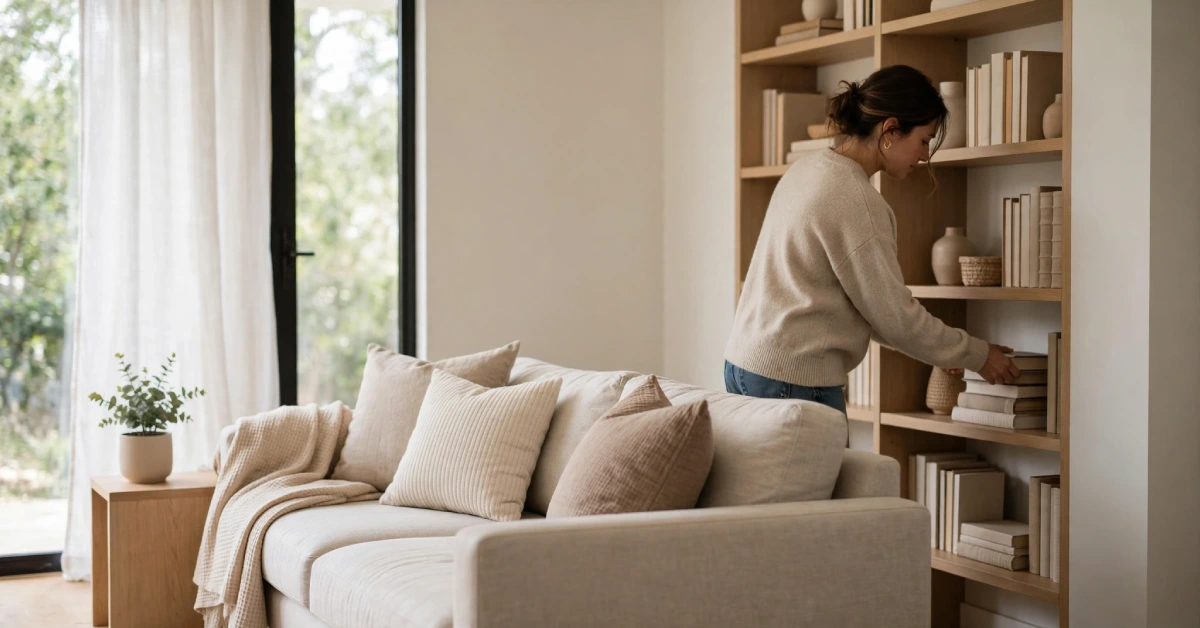
Quick answer: To maintain your interior design, build small weekly habits: declutter often, choose easy-clean materials, protect furniture from daily wear, rotate textiles with the seasons, and book a deep clean twice a year. These steps keep a finished room looking sharp without a full redesign.
Most homeowners spend weeks choosing paint colours, furniture, and accessories. Then, a few months later, the room starts to look tired. Cushions flatten, surfaces gather clutter, and light fixtures dull with dust.
This is not a design failure. It is a maintenance gap.
Research from the Home Improvement Research Institute found that 50% of homeowners tackled a maintenance project in 2025, up from 45% the year before. More people are realising that keeping a home looking good takes ongoing care, not just a one-time renovation.
In this guide, you will find nine practical ways to protect your interior design. Each tip is small enough to fit into a normal week, so your home stays comfortable and photo-ready without constant effort.
Why Interior Design Maintenance Matters
A well-designed room only stays well-designed if someone looks after it. Fabrics fade in sunlight, wood dries out, and grout collects grime. Left unchecked, these small changes add up fast.
There is also a cost angle to consider. Angi’s 2024 State of Home Spending Report found that 61% of homeowners are worried about affording maintenance or repairs. Regular upkeep is usually far cheaper than replacing furniture or repainting a room that has been neglected for years.
Treating maintenance as part of your design plan, not an afterthought, protects your investment and keeps your home feeling calm.
Build a Weekly Decluttering Habit
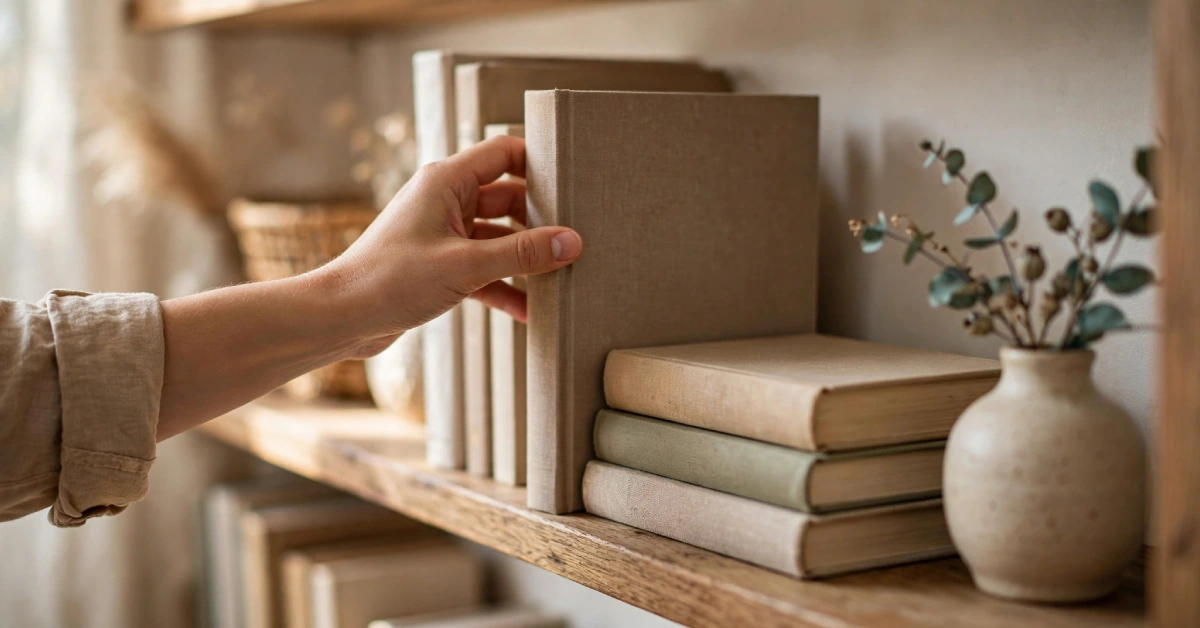
Clutter is the fastest way to undo good design. Even a beautifully arranged shelf looks messy once Post-it notes, spare chargers, and stray shoes pile up around it.
Set aside fifteen minutes each week to put things back where they belong. Professional organiser Meghan Cocchiaro puts it well: the work you keep avoiding often holds the biggest payoff once it is done.
A simple weekly routine could include:
- Clearing kitchen counters of anything that is not used daily
- Returning items from other rooms to their proper spot
- Sorting one drawer or shelf, rotating through the house over a month
- Recycling post and paperwork the same day it arrives
- Doing a five-minute reset of the living room before bed
This habit protects the open, calm feeling that good design relies on. Clutter does not just look untidy. Research reported in the journal Mindfulness suggests small tidying tasks can lower anxiety and improve focus, so this habit benefits your mood as much as your decor.
Choose Materials That Are Easy to Clean
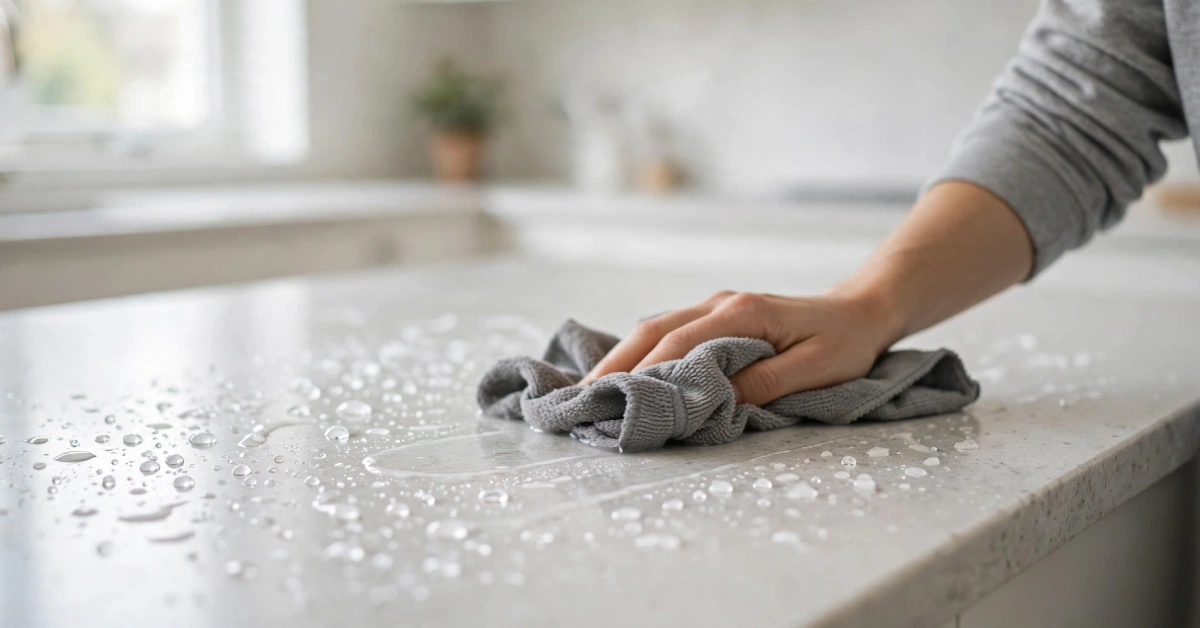
Some finishes need almost no upkeep. Others show every mark within a week. If you are updating a room, lean toward surfaces that hold up to daily life.
Quartz worktops, sealed stone, and laminate resist stains far better than natural marble. Hard flooring such as engineered wood or luxury vinyl is simpler to keep clean than deep pile carpet, and it does not trap dust in the same way.
If you already have higher-maintenance materials, a sealant or protective finish can extend the time between deep cleans. When choosing paint, mid-tone matte or eggshell finishes hide scuffs better than bright white gloss, which shows every fingerprint.
Colour choice also affects how a room feels day to day, especially in smaller spaces. If you are repainting, our guide on how to make a room look bigger with paint covers shades that keep a compact room feeling open even after months of wear.
Protect Furniture and Fabrics from Wear
Sofas, chairs, and rugs take the most daily punishment in any home. A few habits can add years to their life.
Rotate sofa cushions every couple of weeks so they wear evenly. Use arm covers or throws on high-contact spots like sofa arms and headrests. Keep pets and shoes off upholstered furniture where possible, and vacuum fabric surfaces weekly to lift dust before it settles deep into the fibres.
Sunlight is another quiet threat. UV rays fade fabric and wood over time, so shift furniture away from direct window light, or use blinds during peak afternoon hours. Rotating rugs every season also prevents uneven fading and flattening in high-traffic paths.
Keep Lighting and Fixtures Working Well
Lighting does more design work than most people realise. A dusty pendant or a dead bulb can make an otherwise polished room feel flat.
Wipe down light fixtures monthly, since dust visibly dims output within weeks. Original BTC director Charlie Bowles notes that a home needs both task lighting for daily jobs and ambient lighting for winding down, so check that each lamp and fitting still serves its original purpose.
Replace bulbs with the same colour temperature throughout a room. Mixing warm and cool light is one of the fastest ways to make a well-planned space look disjointed, even when every other element is unchanged.
Refresh Textiles With the Seasons
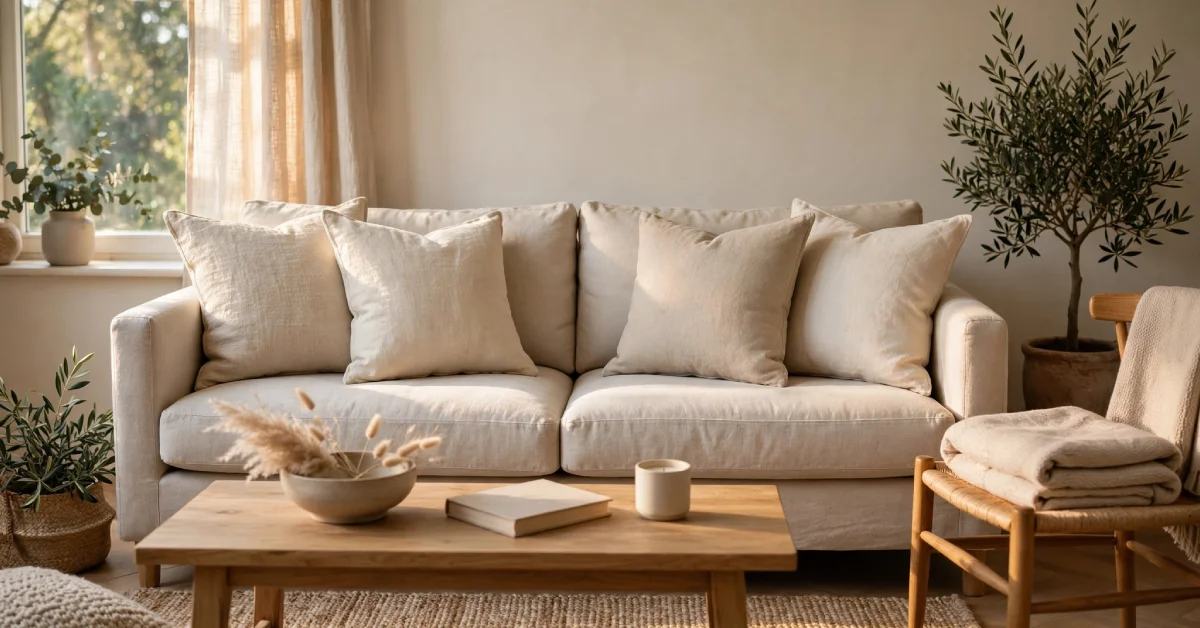
Interior stylist and White Company founder Chrissie Rucker changes her cushions and throws with the seasons, and says textured layers always make a bed look better. This same idea works for any room.
Swap heavier wool throws and dark cushions for lighter linen and brighter tones once the weather warms up. In winter, bring back warmer textures like faux fur, boucle, or knit. This rotation does two useful things: it spreads wear evenly across your textile collection, and it keeps the room feeling current without buying anything new.
Store off-season textiles in breathable bags rather than sealed plastic, which can trap moisture and encourage mildew.
Maintain Plants and Greenery Year-Round
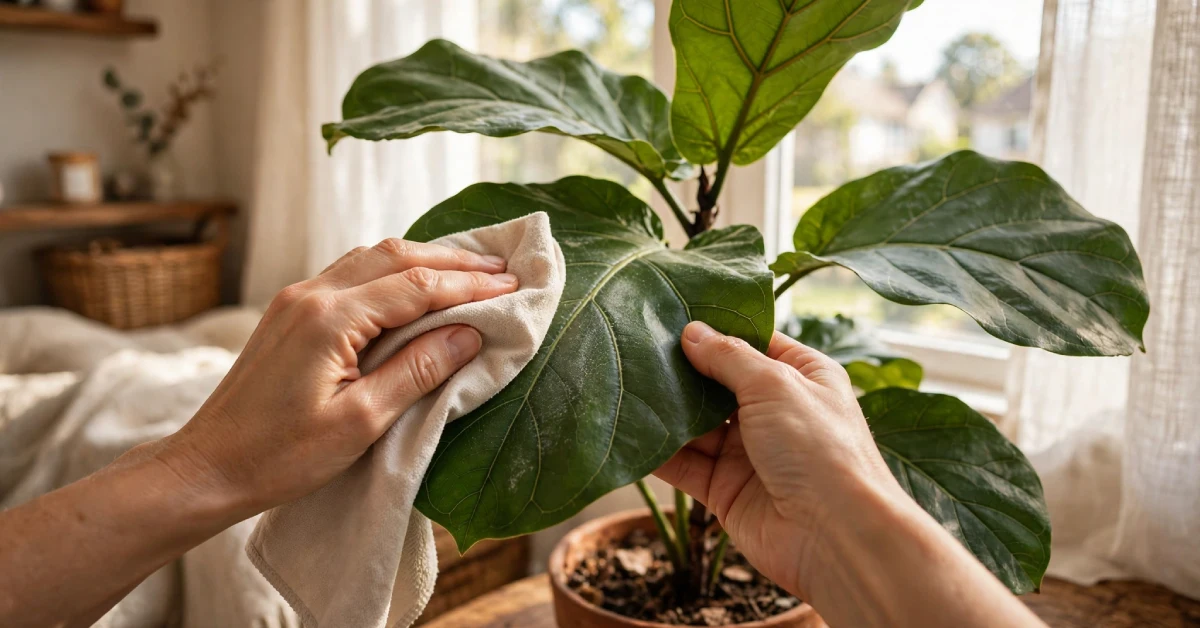
Plants and fresh flowers bring a room to life, but they also need consistent care to stay part of the design rather than becoming a distraction.
Dust broad leaves monthly so plants can photosynthesise properly and keep their colour. Rotate pots occasionally so growth stays even rather than leaning toward the light source. Replace or refresh cut flowers before they wilt, since fading blooms have the opposite effect of the freshness they are meant to add.
If live plants feel like too much upkeep for a busy household, well-made faux greenery can fill the same visual role with far less maintenance, as long as it is dusted regularly.
Schedule Deep Cleaning and Professional Care
Weekly habits handle the surface level, but some tasks need a bigger, less frequent push. Carpets, curtains, and air ducts collect dust and allergens that a normal vacuum cannot fully remove.
Book a professional carpet or upholstery clean once or twice a year, and clean curtains and blinds on the same schedule. If your home has forced-air heating, an annual duct check keeps dust from circulating back onto the surfaces you just cleaned.
According to Statista, 67% of US homeowners who renovated in 2025 focused on interior remodelling, which shows how much attention people are putting into their indoor spaces. Pairing that investment with a regular deep clean schedule protects the result for years, not just months.
Furniture arrangement also plays a role in how easy a room is to maintain. Pieces packed too tightly make cleaning and airflow harder, and can make a small room feel cramped. If you are planning a layout, our guide to average bedroom size in the UK is a useful reference for spacing furniture so it stays both stylish and simple to clean around.
A good rule is to pair every seasonal textile swap with a small maintenance task from this list. Cleaning curtains when you switch to lighter fabrics, or checking upholstery when you rotate cushions, means these jobs stop feeling like a separate chore. They become part of the same short routine.
Manage Moisture and Air Quality
Damp air is one of the quietest threats to good interior design. It warps wood, dulls paint, and encourages mould on walls and behind furniture, often before you notice a problem.
Open windows for ten to fifteen minutes each morning, even in colder months, to let fresh air move through the room. This single habit cuts down on condensation and keeps fabrics from holding onto stale smells.
Bathrooms and kitchens need extra attention since they produce the most moisture day to day. Run extractor fans during and after cooking or showering, and wipe down tiles and grout lines weekly so damp does not settle into porous surfaces. A small dehumidifier can help in rooms that struggle to dry out naturally, such as basements or north-facing bedrooms.
Houseplants also benefit from this attention. Overwatering in a room with poor airflow is a common reason plants decline, which then affects the whole look of a space that relies on greenery for warmth.
Set a Simple Seasonal Maintenance Calendar
Trying to remember every task at once is where most maintenance plans fall apart. A short seasonal calendar spreads the work out and makes it far easier to stick with.
Consider grouping tasks like this across the year:
- Spring: deep clean windows, wash curtains, and check furniture for winter wear
- Summer: swap in lighter textiles, dust light fixtures, and air out storage cupboards
- Autumn: book professional carpet or upholstery cleaning before the colder months
- Winter: check smoke alarms, condition leather and wood furniture, and inspect for damp
Writing these dates into a calendar, even a simple phone reminder, turns maintenance into a habit rather than a task you keep meaning to get to. Most of these jobs take less than an hour, and spacing them out means no single weekend feels overwhelming.
A Few Extra Habits Worth Building
Small daily choices often matter more than big seasonal projects. Wipe down kitchen and bathroom surfaces after use, air out rooms for ten minutes each morning to cut down on damp and odours, and check smoke alarms and vents during your seasonal textile swap so maintenance jobs are grouped rather than forgotten.
If your style leans toward character pieces, older furniture and decor often need a little extra care, from polishing brass hardware to conditioning leather. Our collection of vintage home interior pictures is a good source of inspiration if you want ideas for blending well-loved pieces into a low-maintenance scheme.
Final Thoughts
Maintaining your interior design is not about constant work. It is about small, repeated habits that protect the choices you already made. A weekly declutter, seasonal textile swap, and an annual deep clean will do more for your home’s appearance than any single big purchase.
Start with one habit from this list. Once it feels automatic, add another. Over a year, these small routines add up to a home that looks after itself.
FAQs
How often should I deep clean my home to protect the interior design?
Most homes benefit from a professional carpet, upholstery, and curtain clean once or twice a year, alongside weekly surface cleaning and decluttering.
What is the easiest way to keep a small room looking maintained?
Keep surfaces clear, choose furniture sized to the room, and stick to easy-clean materials. Lighter paint tones also help a small space feel tidier for longer between cleans.
Do I need to change my decor with the seasons?
It is not required, but swapping cushions, throws, and rugs with the seasons spreads wear evenly and keeps a room feeling current without new purchases.
Can real plants be part of a low-maintenance design?
Yes, as long as you choose hardy varieties and keep a simple routine of dusting leaves and watering on schedule. Faux greenery is a good backup for very busy households.
Why does my home look untidy even after cleaning?
Cleaning removes dirt, but clutter is a separate issue. A regular decluttering habit, alongside cleaning, is usually what is missing.