

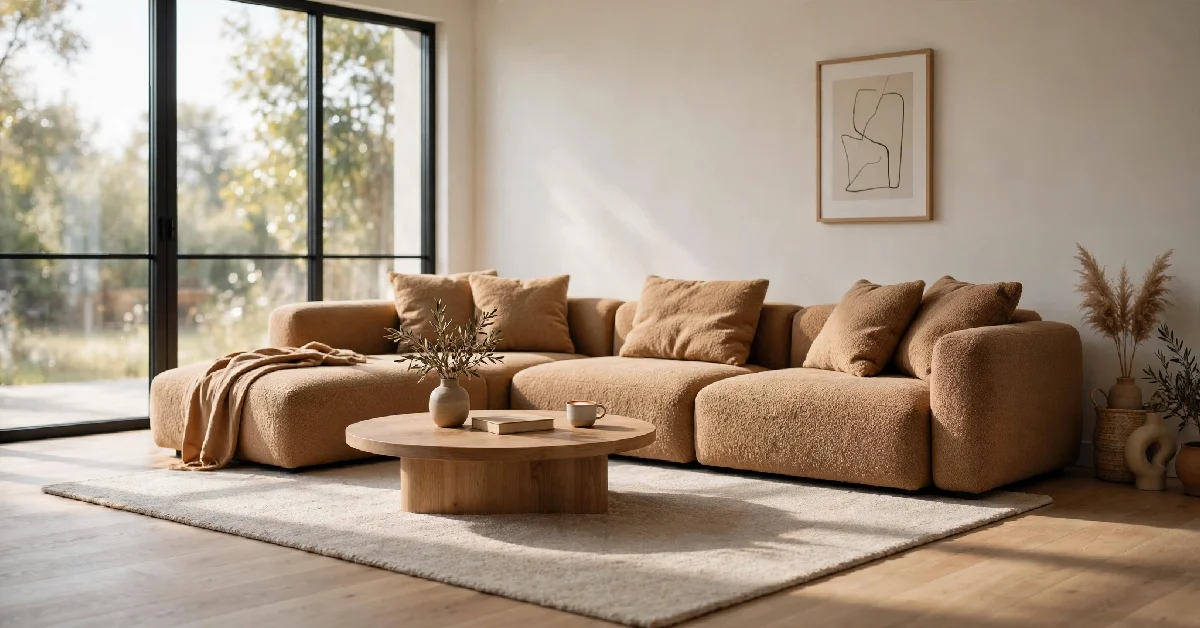
A sofa sets the tone for an entire room. Get the size wrong, and even a beautifully decorated living room will feel cramped or empty. Get it right, and everything else, from the rug to the lighting, falls into place around it.
This guide walks through the sofa shapes, colours, and layouts shaping living rooms in 2026, along with the placement rules that keep a room feeling balanced. Whether you have a small flat or an open-plan family space, you will find a practical starting point here.
Most people shop for a sofa based on what looks appealing in a showroom or online listing. The room it is going into rarely gets the same attention. That gap is where most sofa regrets come from, whether that means a piece too deep for the room or a colour that clashes with existing furniture within a year.
What Kind of Sofa Fits Your Living Room
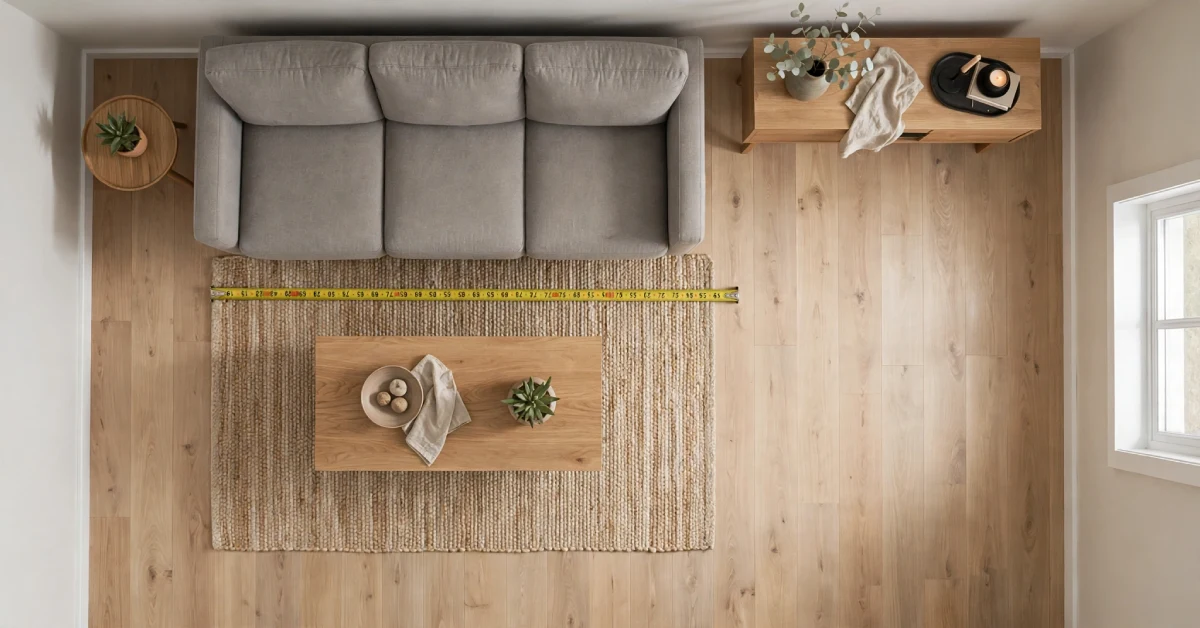
Before you look at colour or fabric, work out the shape your room actually needs. Three factors matter most: room size, traffic flow, and how many people use the space day to day.
A good starting rule is the two-thirds guideline. Your sofa should take up roughly two-thirds of the wall it sits against, leaving the remaining third for a console table, plant, or floor lamp. A sofa that spans an entire wall can make a room feel boxed in, even if there is technically enough floor space.
Leave at least 90 centimetres for walking paths around the room, and 35 to 50 centimetres between the sofa and coffee table. These gaps sound small on paper, but they change how a room feels to move through every day.
Shape matters as much as size. A straight three-seater suits square or rectangular rooms with a single focal wall. An L-shaped corner sofa works better in open-plan spaces where the sofa needs to divide the living area from a kitchen or dining zone. A chesterfield or rolled-arm sofa fits a room with more traditional details, such as coving or a fireplace, while a low, armless design suits a minimalist or Japandi-style room.
Sofa Colours Trending in Living Rooms This Year
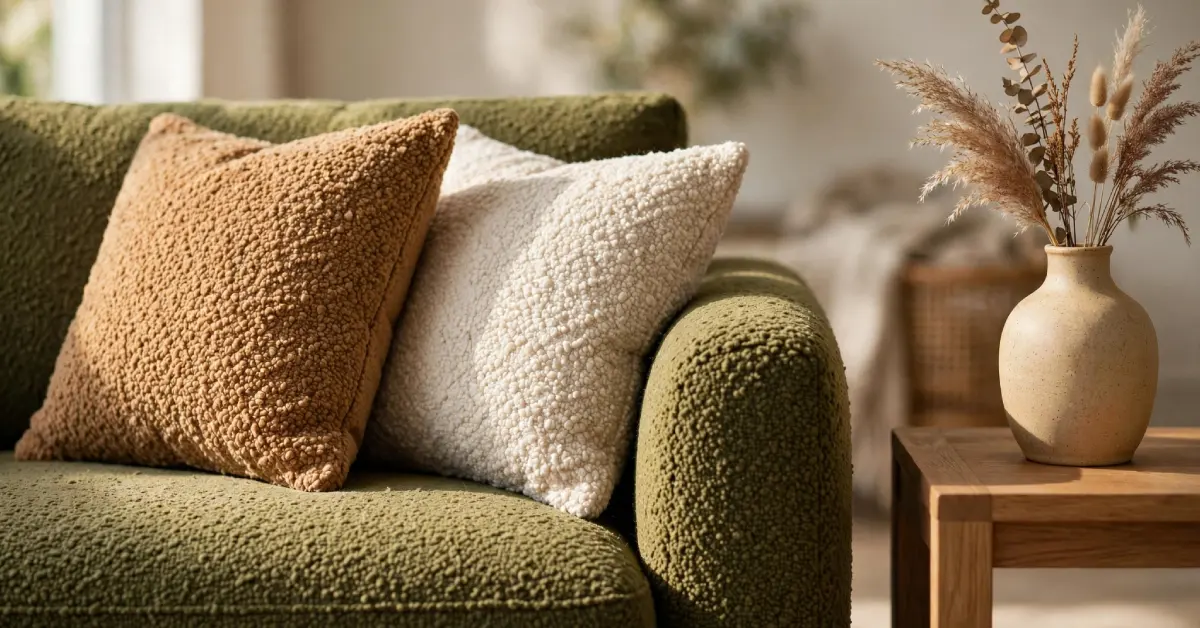
Colour choices have shifted noticeably over the past few years. Furniture retailer King Living tracked its own sales data and found that grey fabric sofas made up just 10 per cent of purchases in 2026, down from 52 per cent in 2019. Green sofas grew from per cent to per cent over the same period, and warm neutrals now account for close to half of all fabric sofa sales.
Leather sofas have moved differently. Brown leather still dominates, holding 53 per cent of leather sofa sales, with neutrals at 24 per cent and grey trailing at just 11 per cent.
If you want a colour that will still look current in five years, warm neutrals with some depth (think caramel, oatmeal, or olive) are a safer bet than a stark grey or bright white. Save bold colours like forest green or burgundy for a room where the sofa is the main feature, not a background piece.
Modular and Sectional Sofa Layouts
Modular sofas have moved from a niche choice to a mainstream one. According to furniture trend analysis from Furni.io, low seat heights between 34 and 42 centimetres, paired with deep seating of 65 centimetres or more, are now standard in new sectional designs, replacing the higher, firmer profiles common a decade ago.
The appeal is flexibility. A modular sofa can be rearranged into an L-shape, split into two smaller pieces, or reconfigured entirely if you move house. This matters more than it used to, since open-plan living rooms now often double as a dining space, home office, and TV room in one.
If you choose a sectional, measure your doorways and stairwells before ordering. Large sectional pieces are the most common return in online furniture sales, largely because they do not fit through the entryway.
Look closely at the connection system before buying a modular sofa. Cheaper models rely on loose clips that loosen with use, while better ones use interlocking brackets or bolted joins that keep the sections aligned. Ask the retailer how the pieces separate for moving house, since some designs require a specific tool or professional disassembly.
Sofa Ideas for a Small Living Room
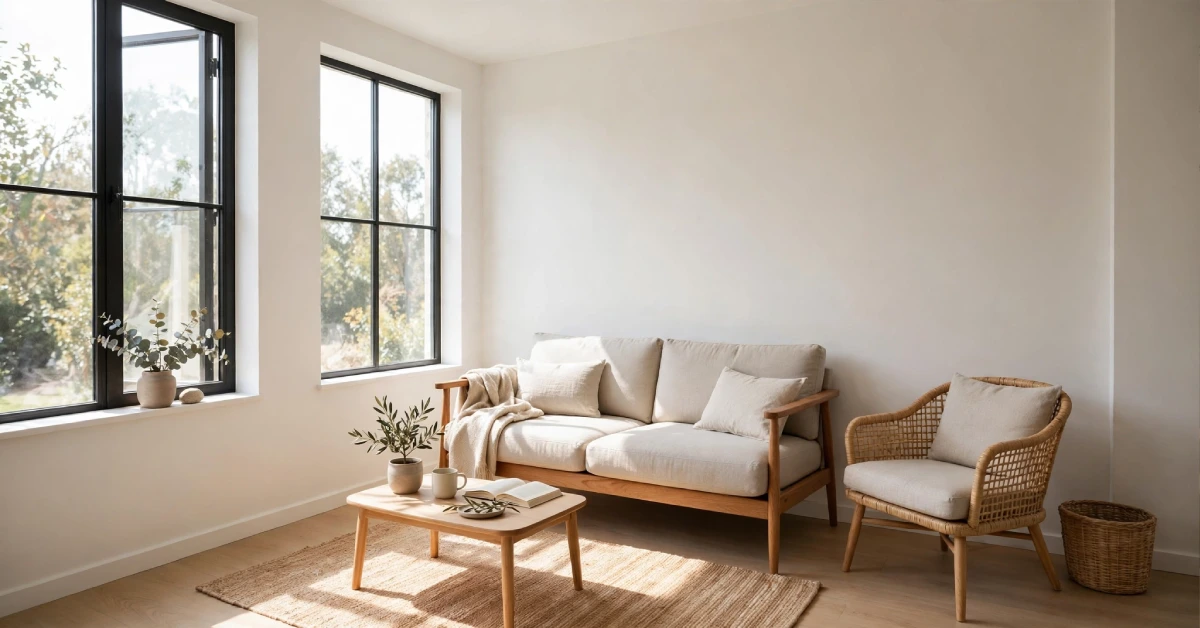
Small rooms need a different set of rules. Martin Waller, founder of design house Andrew Martin, points out that modular sofas work well in tight spaces precisely because they can be shaped to fit the room, rather than forcing the room to fit a fixed piece of furniture.
A few practical options for small living rooms:
- Choose a two-seater or apartment-sized sofa instead of a standard three-seater
- Look for slim arms and raised legs, which make a sofa feel lighter in the room
- Pair a compact sofa with one accent chair rather than a second full sofa
- Position the sofa against the longest wall to keep the centre of the room open
- Pick upholstery close in tone to your wall colour so the sofa does not visually shrink the space
If your living room is genuinely tight on square footage, it helps to look at your room dimensions against typical UK averages. Checking average room sizes in UK homes gives you a useful benchmark before you commit to a sofa size.
Colour and paint choices also play a role in how big a small room feels. Some paint tricks that make a room look bigger work particularly well behind a sofa, since that wall usually gets the most visual attention in the room.
Fabric Choices: Bouclé, Velvet and Performance Weaves
Bouclé has held its place as the standout fabric choice for several years running, longer than most trend forecasters expected. Its looped texture hides everyday wear better than flat weaves and works across warm and cool colour palettes.
Velvet remains popular for curved and rounded sofa shapes, adding softness to rooms with a lot of hard angles. Performance fabrics, originally developed for outdoor furniture, have also moved into living rooms thanks to stain resistance that suits households with kids or pets.
When comparing fabrics, ask about rub count (a measure of durability) and whether the fabric is treated for stain resistance. A beautiful fabric that shows every mark within a year is not a practical choice for a busy living room.
Sofa Frame and Cushion Materials to Check
The fabric or leather on top gets most of the attention, but the frame underneath decides how long a sofa actually lasts. Kiln-dried hardwood frames resist warping better than softwood or particleboard, and most reputable makers will state the frame material on the product page or spec sheet.
Cushion fill matters just as much for daily comfort. High-density foam holds its shape for longer than standard foam, though it costs more upfront. Some sofas combine a foam core with a feather wrap, which softens the seat while keeping some structure underneath. If you want a firmer seat that holds up under regular use, ask specifically about foam density rather than relying on how the sofa feels in a showroom, since display models often use a firmer test cushion than the one you receive.
Check the warranty terms too. A frame guarantee of five years or more usually signals a maker confident in their construction, while anything under two years is worth a closer look before you commit.
How to Arrange Two Sofas in One Living Room
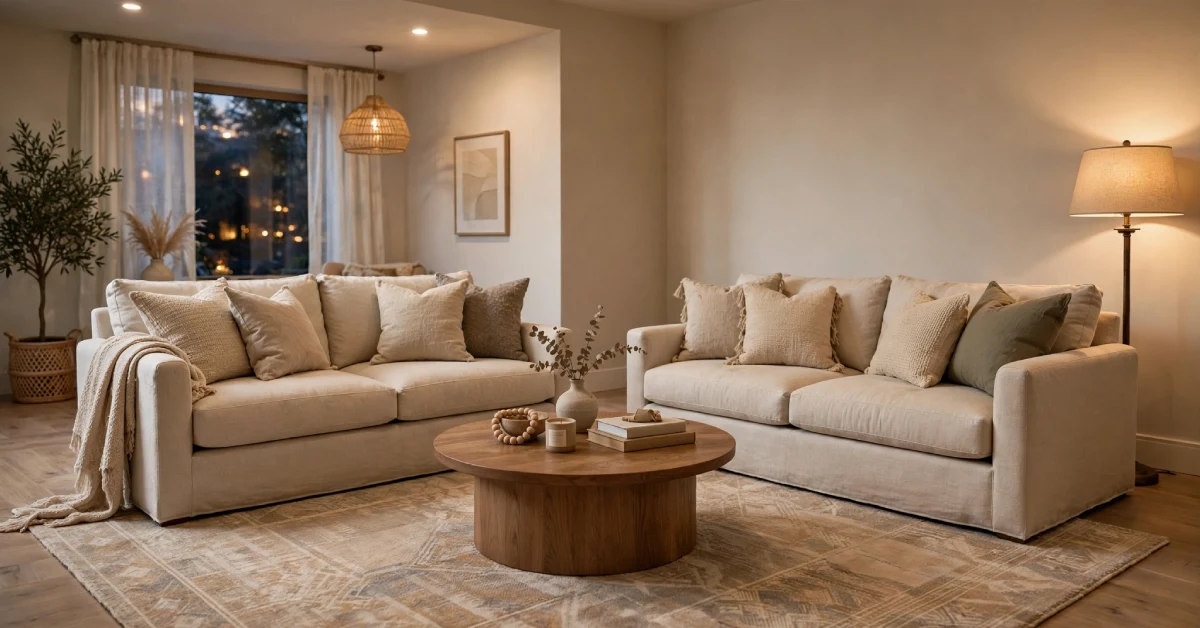
Larger living rooms sometimes call for two sofas rather than one large sectional. Interior designer Cristina Chirila has noted that rigid rules about sofa placement do not always apply. In one project with a large sliding door, she positioned two smaller sofas at a distance from each other along separate walls, which kept the doorway clear while still creating two distinct seating zones.
A few layouts that consistently work:
- Facing sofas with a coffee table between them, ideal for conversation-focused rooms
- An L-shaped arrangement with two sofas meeting at a corner
- Sofas placed at an angle to each other around a rug, useful in open-plan spaces
Whichever layout you choose, keep the coffee table roughly 45 to 50 centimetres from each sofa edge. This distance is close enough for comfortable use without crowding the space between seats.
Styling Your Sofa With Cushions, Throws and Rugs
A well-chosen sofa can still look unfinished without the right styling around it. Cushions and throws are not just decoration. They add warmth to a room and stop a sofa from feeling flat, especially in a solid neutral colour.
A simple styling formula that works in most rooms:
- Two to four cushions per sofa seat, mixing at least two textures
- A throw draped over one arm rather than folded flat
- A rug that extends at least 15 centimetres beyond the front sofa legs
- A floor lamp or plant beside the sofa to add height
Keep your interior consistent once you have styled it. Small habits, like rotating cushions and rugs seasonally, make a real difference over time. These tips to maintain your interior design cover the upkeep side that most sofa guides skip.
Sofa Placement Mistakes to Avoid
A few placement mistakes come up again and again in living rooms, regardless of budget:
- Pushing every piece of furniture against the walls, which leaves the middle of the room feeling empty and disconnected
- Choosing a sofa that is too deep for the room, which crowds the walking path around it
- Placing the sofa too far from the TV or too close, instead of using 1.5 to 2 times the TV’s diagonal width as a guide
- Skipping a rug because the room feels small, when the right size rug actually helps define the seating area
- Buying a sofa online without checking delivery access through doorways, stairwells, and lift dimensions
Most of these mistakes come from measuring the room but not the furniture itself, including arm width, seat depth, and total footprint once cushions are added.
Before you order online, measure the delivery route as carefully as the room. Check the width of your front door, any hallway turns, and the narrowest point on your staircase if the sofa needs to go upstairs. A sofa that fits the room perfectly is no use if it cannot get through the door.
Final Thoughts
The right sofa for your living room comes down to matching shape and size to how you actually live in the space, not just what looks good in a photo. Start with the two-thirds rule, check your room measurements against your sofa’s actual footprint, and choose a colour and fabric that will hold up in daily use rather than just this year’s trend.
Small changes, like slimmer arms in a tight room or a well-placed rug in a larger one, often make more difference than the sofa itself.
FAQs
What is the best sofa size for a small living room?
A two-seater or apartment-sized sofa usually works best in a small living room. Look for slim arms and raised legs, which make the piece feel lighter without reducing seating.
What sofa colours are trending in 2026?
Warm neutrals like caramel and oatmeal are the most popular choice, followed by earthy greens and browns. Cool grey has fallen sharply out of favour compared to a few years ago.
How do you arrange two sofas in one living room?
Common layouts include facing sofas with a coffee table between them, an L-shaped corner arrangement, or two sofas angled toward each other around a shared rug.
Should I choose a modular or fixed sofa?
Choose modular if your room serves multiple purposes or you expect to move house. Choose a fixed sofa if you want a simpler setup and do not need to reconfigure the layout.
How much space should I leave around a sofa?
Leave at least 90 centimetres for walking paths and 35 to 50 centimetres between the sofa and coffee table for comfortable use.