

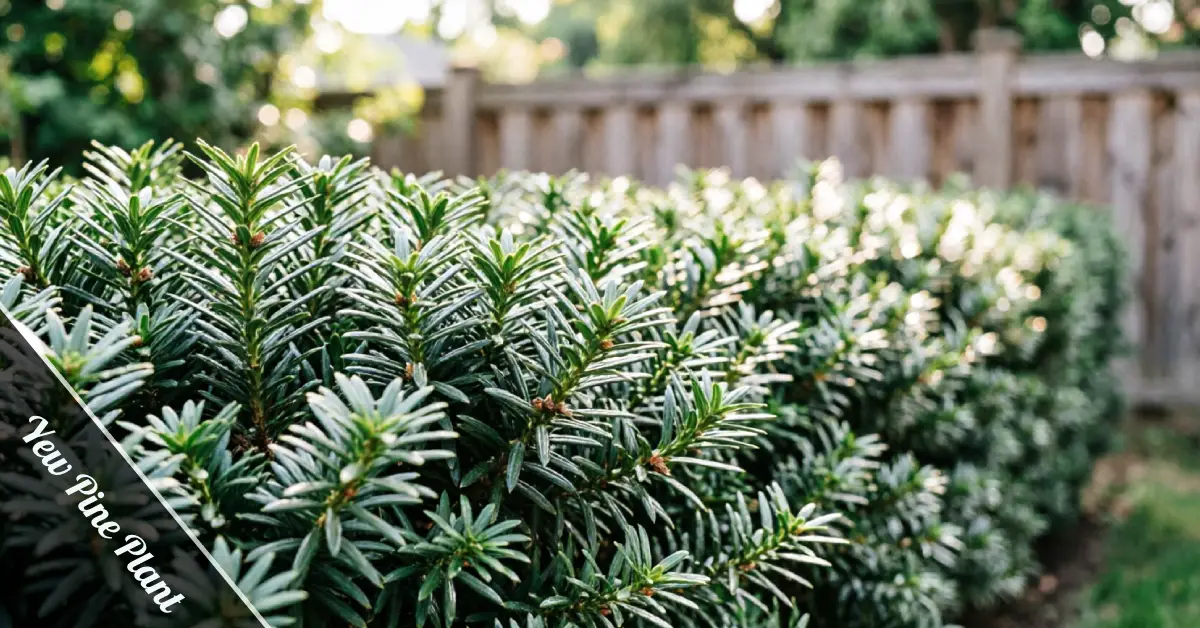
Looking for a plant that looks sharp all year and barely asks for anything? The Yew Pine Plant might be your new backyard MVP, and once you meet it, you’ll understand the hype fast.
It’s tough, tidy, and fits almost any style, from tight courtyards to sprawling backyards. This guide breaks down everything you need, from picking one out at the nursery to keeping it thriving for years, without turning weekends into a chore list. For prepping your yard before planting, this driveway wood chip delivery guide makes fresh mulch delivery painless, and fresh chips give new plantings a real head start.
Quick Guide
| Feature | Detail |
|---|---|
| Common Name | Yew Pine Plant |
| Mature Height | 10 to 50 feet |
| Growth Rate | Slow to moderate |
| Sunlight | Full sun to partial shade |
| Soil | Well-draining, slightly acidic |
| Water Needs | Moderate, drought-tolerant once established |
| Toxicity | Fruit flesh safe, seed toxic |
Appearance and Key Features
Soft, needle-like leaves stay glossy green through every season, giving the plant a fresh, alive look even in the dead of winter when everything else in the yard looks a little tired and bare.
Branches grow in a naturally neat, upright shape. That’s exactly why homeowners skip constant trimming and still get a sharp, tidy silhouette year after year without much fuss.
It resembles a true yew but isn’t one botanically, which matters if you’re comparing care sheets online and wondering why the advice sometimes conflicts.
Height and Mature Size
Left alone, it can climb anywhere from 10 to 50 feet depending on variety and growing conditions, though most home landscapes never let it get that tall.
Most gardeners keep it pruned between 6 and 15 feet, especially when it’s used as a hedge or privacy screen along a fence line, driveway, or shared property border.
Growth Rate
This plant isn’t in a rush, and honestly, that’s a good thing for anyone who dreads weekend yard work piling up.
Slow, steady growth means less pruning and less mess overall. Expect roughly 6 to 12 inches of new growth per year once it settles into the soil.
Best Growing Conditions
Full sun brings out the deepest color, though partial shade works fine too if your yard doesn’t get much direct light through the afternoon.
Soil should drain well and lean slightly acidic for the healthiest roots and steadiest growth over time.
It shrugs off coastal wind, urban pollution, and compact soil better than most ornamentals, making it a genuinely low-drama pick for tricky yards, tight courtyards, or busy street-facing beds where fussier plants tend to struggle.
That same toughness makes it a favorite for new builds, where the soil is often compacted from construction and hasn’t had time to recover its natural structure yet.
Complete Care Guide
Caring for a Yew Pine Plant really comes down to three simple things done consistently.
Water it during dry spells, feed it lightly each spring, and prune it once a year, skipping the overthinking entirely, because this plant genuinely rewards a light, steady hand far more than constant fussing or worry.
A once-a-year deep feeding with balanced fertilizer keeps growth steady without pushing it too fast or too soft.
Mulch around the base holds moisture in and blocks weeds, so energy goes toward growing.
None of this takes more than a few afternoons spread across the whole year, which is exactly why so many busy homeowners end up leaning on this plant for the bulk of their landscaping.
Watering and Soil Requirements
New plantings need regular watering for the first year while roots establish themselves properly underground.
After that first year, a Yew Pine Plant becomes fairly drought-tolerant and only needs water during longer dry stretches through summer.
Soggy soil is the real enemy here, not dry soil, so drainage genuinely matters more than moisture, and this trips up more beginners than any other single factor.
If your yard holds water after rain, raised beds or amended soil will save you real headaches down the road.
Pruning and Hedge Maintenance
Prune in late winter or early spring, before new growth begins for the season.
Light shaping keeps hedges dense and prevents that bare, leggy look that ruins an otherwise tidy row.
Avoid heavy cuts in fall since fresh growth won’t harden before frost hits, which can damage the whole plant.
Benefits in Homes and Landscapes
A Yew Pine Plant works as a privacy screen, windbreak, or noise buffer between properties, doing double duty most single-purpose plants can’t manage.
It handles container growth well too, making it flexible for patios, entryways, or smaller yards that don’t have room for a full hedge row.
Landscapers love it because one plant solves several problems at once: structure, screening, and color, all without demanding constant attention. Planning a broader yard refresh around your new hedge? This mulch coverage calculator helps you figure out exactly how much material to order before you start digging.
Poisonous Parts and Safety
Here’s the catch worth knowing before you plant one near a play area.
The seed inside the fruit is toxic if eaten, though the fleshy covering around it is generally considered safe for curious hands.
Keep pets and small kids from snacking on fallen fruit, and rinse hands after heavy pruning since sap can mildly irritate sensitive skin.
It’s worth mentioning this to anyone else who tends the yard, including kids old enough to help with weekend chores, so nobody mistakes fallen berries for a harmless snack during backyard playtime.
Fruit and Seed Production
Female plants produce small, berry-like fruit with a bright red or purple covering that shows up in late summer.
Inside sits a single hard seed, which is the toxic part mentioned earlier, so it pays to know which plants in your yard are female before letting kids play nearby unsupervised.
Not every plant fruits, since some varieties are grown specifically for hedging.
Common Problems
Root rot from overwatering is the most common issue people run into with this otherwise tough plant.
Scale insects and mites show up occasionally but rarely cause serious lasting damage if caught early.
Yellowing needles usually point to poor drainage rather than pests, so check soil moisture before reaching for any spray or treatment. Most problems trace back to water rather than bugs, which makes diagnosis simpler than it first seems for most new growers.
A quick soil check with your finger, a few inches down, tells you more than any bottle on a garden center shelf ever could, and it costs nothing but a minute of your time.
Buying a Yew Pine Plant
Look for firm, green foliage with no brown patches when shopping in person at the nursery.
Container size doesn’t always match maturity, so ask staff about the plant’s actual age before buying.
A slightly smaller, healthier specimen beats an oversized one with stressed roots every time, and it’ll establish faster once it’s actually in the ground. While planning your layout, this quick guide on nectarine tree spacing offers spacing logic that works just as well for hedgerows.
Conclusion
It delivers structure, privacy, and color without demanding much from you in return.
Get the drainage right, prune once a year, and watch a Yew Pine Plant settle into your landscape like it’s always belonged there, quietly doing its job while everything else in the yard soaks up all the attention instead.
Frequently Asked Questions
Is a Yew Pine Plant actually a yew?
No. It only looks similar. Botanically, it’s a completely different species.
How fast does it grow?
Expect slow to moderate growth, usually under a foot each year.
Can I grow one in a pot?
Yes. Containers work well for patios or smaller spaces with proper drainage.